Arguably the most beautiful mountains in the world

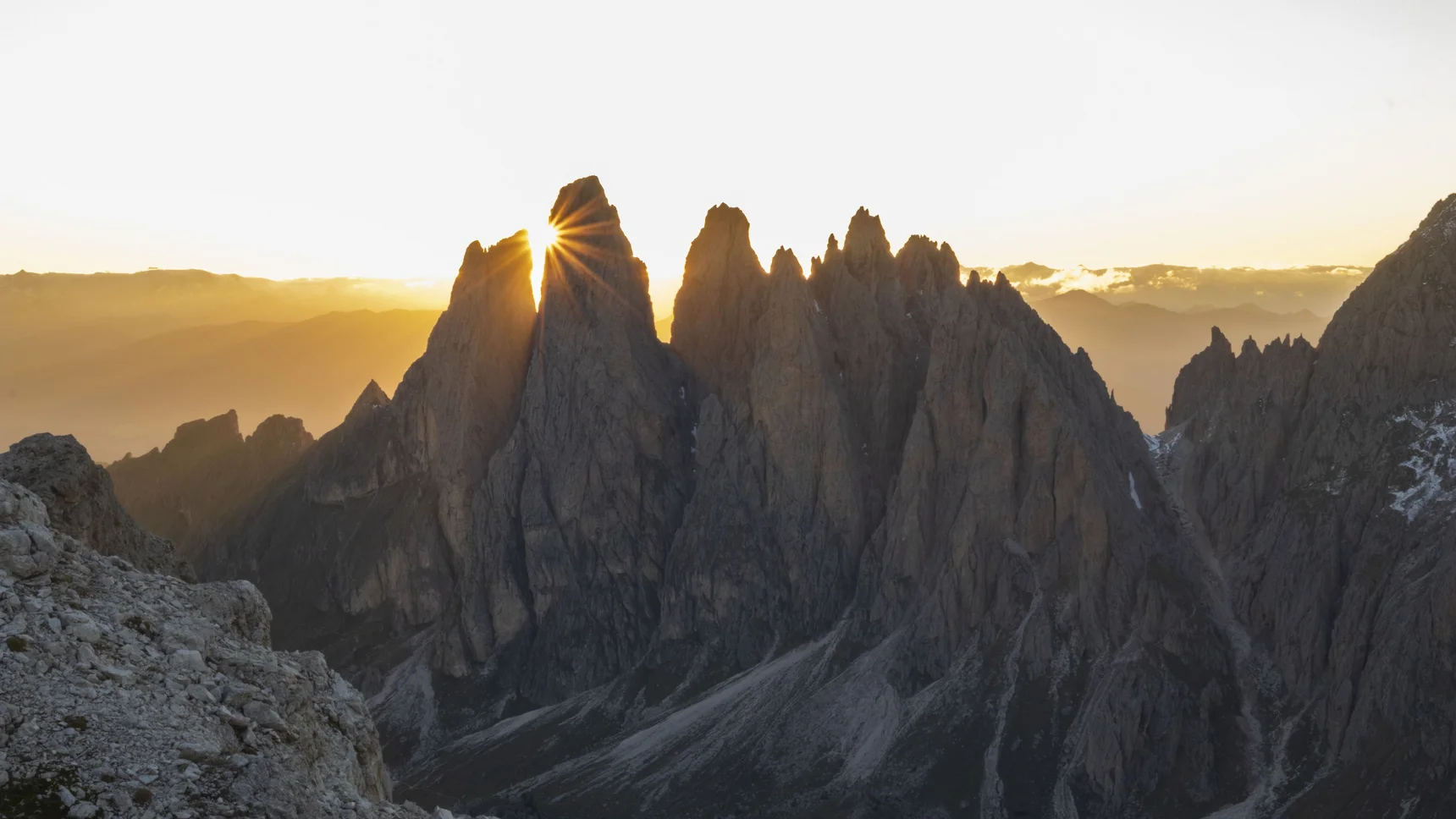
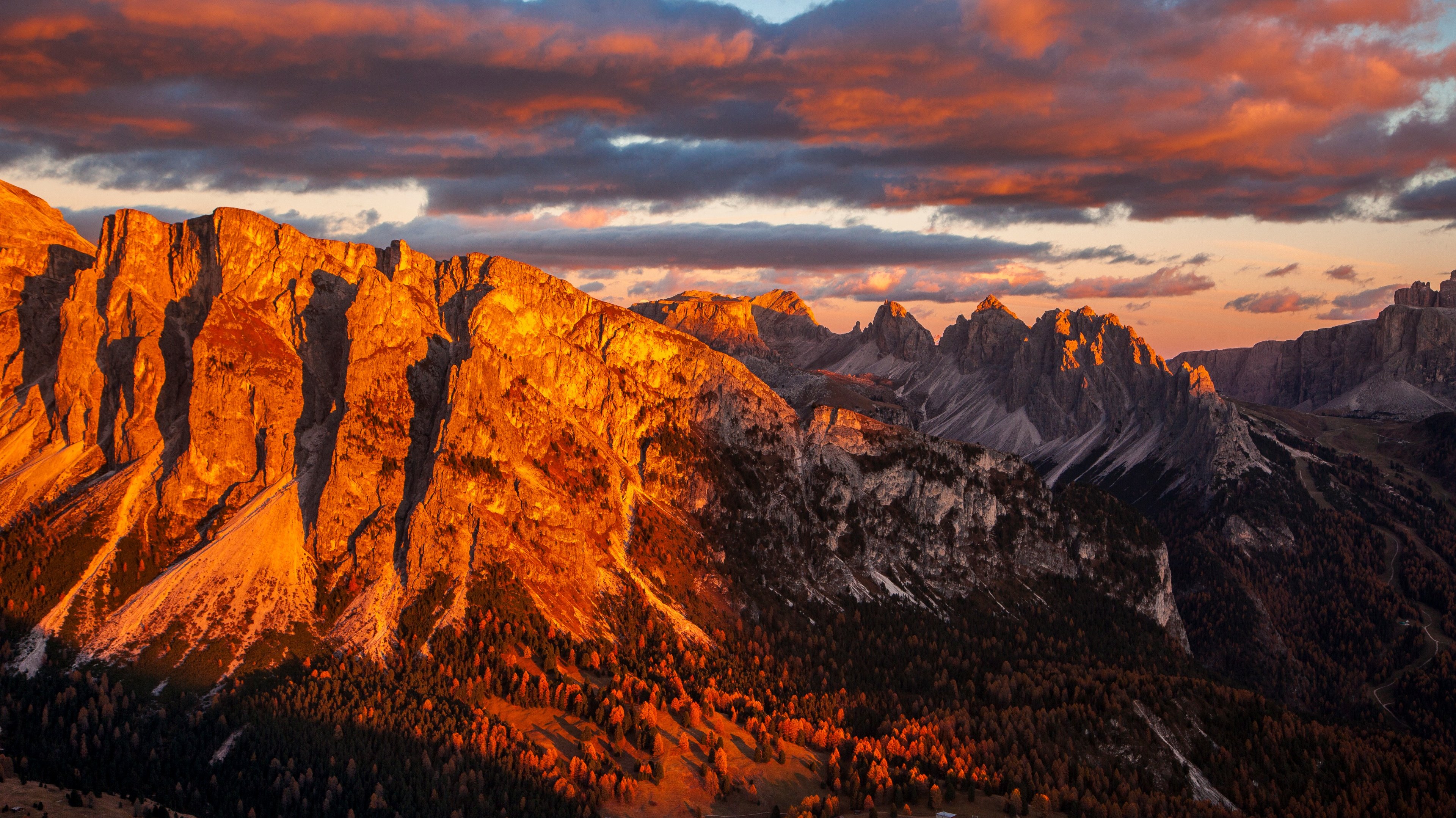
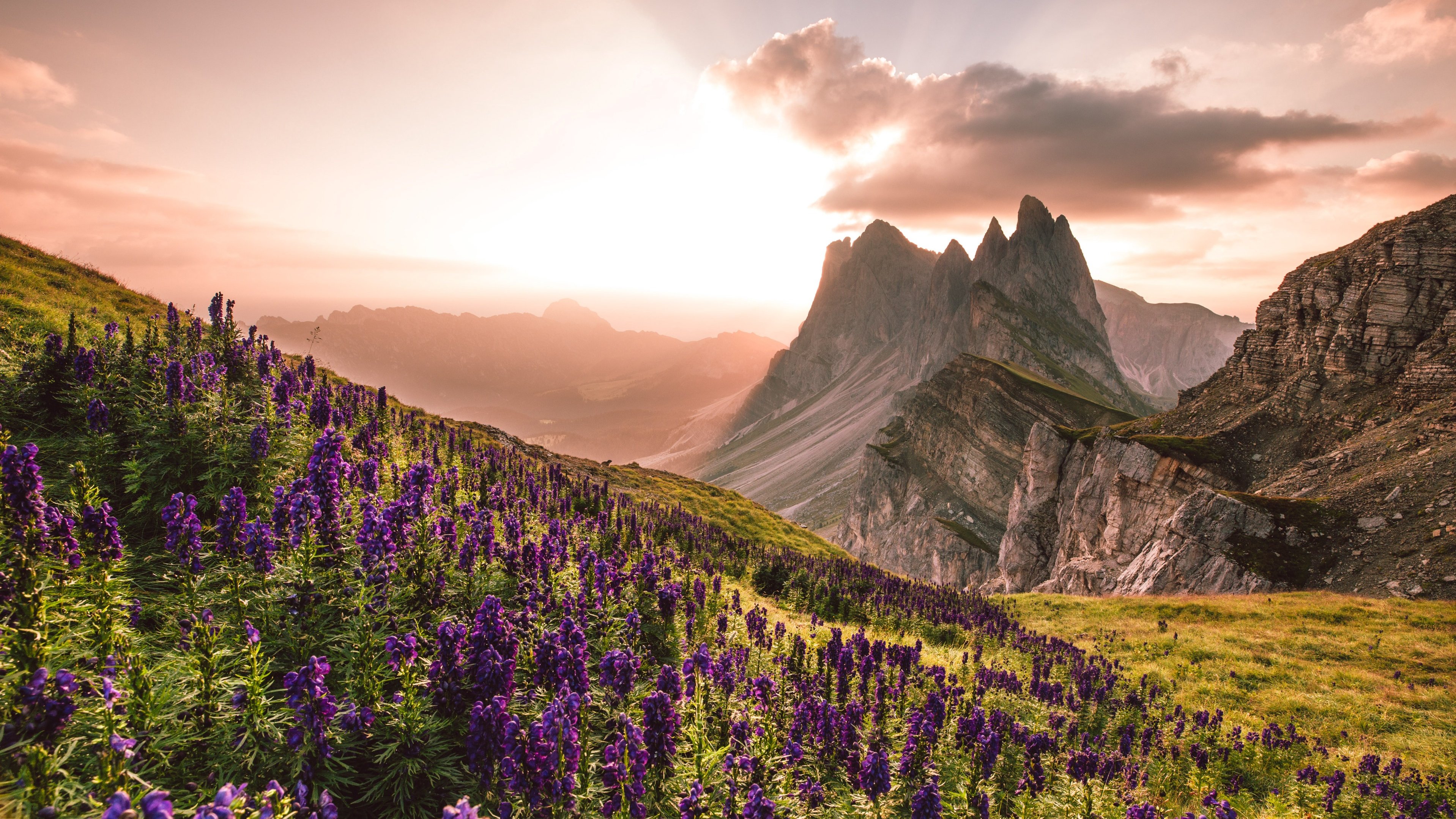
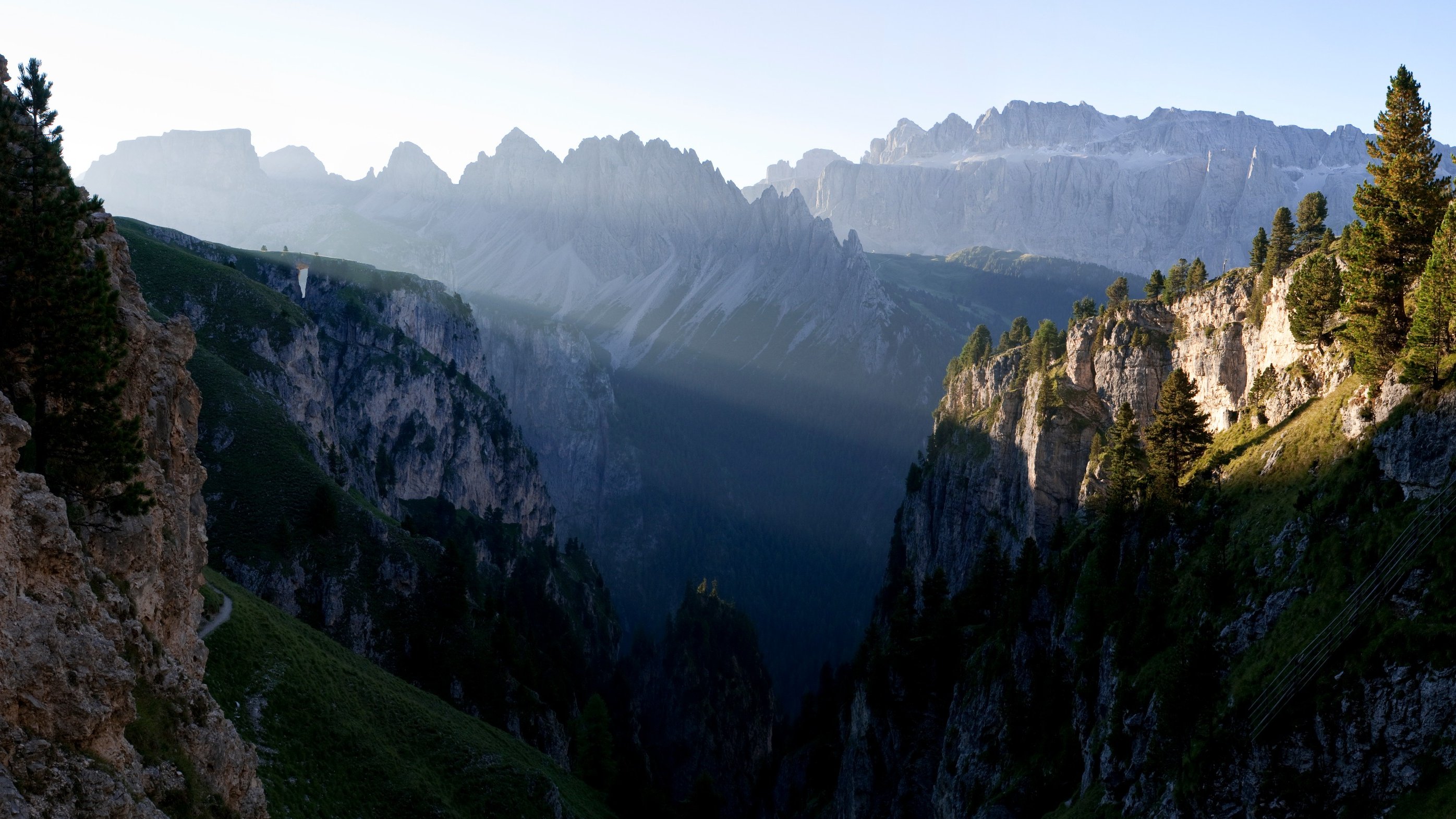
Many guests have confirmed the Dolomites are the most beautiful mountains in the world. In 2009, UNESCO also recognised the region’s uniqueness, its geological significance and, last but not least, its beauty. After all, it would have not acknowledged the mountain region ‘Dolomites’ as a World Heritage Site if that were not the case. Only regions with a special value for humanity are listed, and they deserve to be protected to preserve this inestimable value. Dolomites Val Gardena shoulders the responsibility which stems from this recognition seriously. Extensive protective measure towards the environment, research and teaching about the peculiarities of the Dolomites go hand-in-hand with an openness to tourism.

With views and impressions like these, hardly anyone could disagree with South Tyrolean adventurer Reinhold Messner, who once wrote:

“Half a lifetime I have climbed, walked or crawled to the edges of the earth. On my knees to the summit of Mount Everest. I have marvelled at the greatest mountain ranges on earth and at exotic rock formations in New Guinea, Patagonia and the heart of the Sahara. Yet nowhere else have I found a world of rock as impressive as the Dolomites.”

Nature parks

Experience Dolomites Val Gardena’s variety of flora and fauna up close in the Dolomites’ nature parks. Come in, take a step closer and explore the beauty of lush, wild nature, admire plants, and animals too.

The Puez–Odle nature park

The Puez–Odle nature park set in an idyllic location at the heart of the sixth out of nine Dolomite mountain ranges recognised by UNESCO as a World Heritage Site. The Puez–Odle group will capture your attention due to its powerful monolith, which can be seen even from far away, and it will sweep you off your feet with its unique and diverse landscape. Dolomites Val Gardena represents the southern border of the nature park. The picturesque scene stands out for crystal clear, shimmering, blue mountain lakes, colourful blooming mountain meadows and summits that reach for the skies as though they were pyramids. It represents the planet’s entire history, preserved for evermore in the different stone strata, in the underground mudflats and fossils.

The Sciliar, Catinaccio and Latemar nature parks

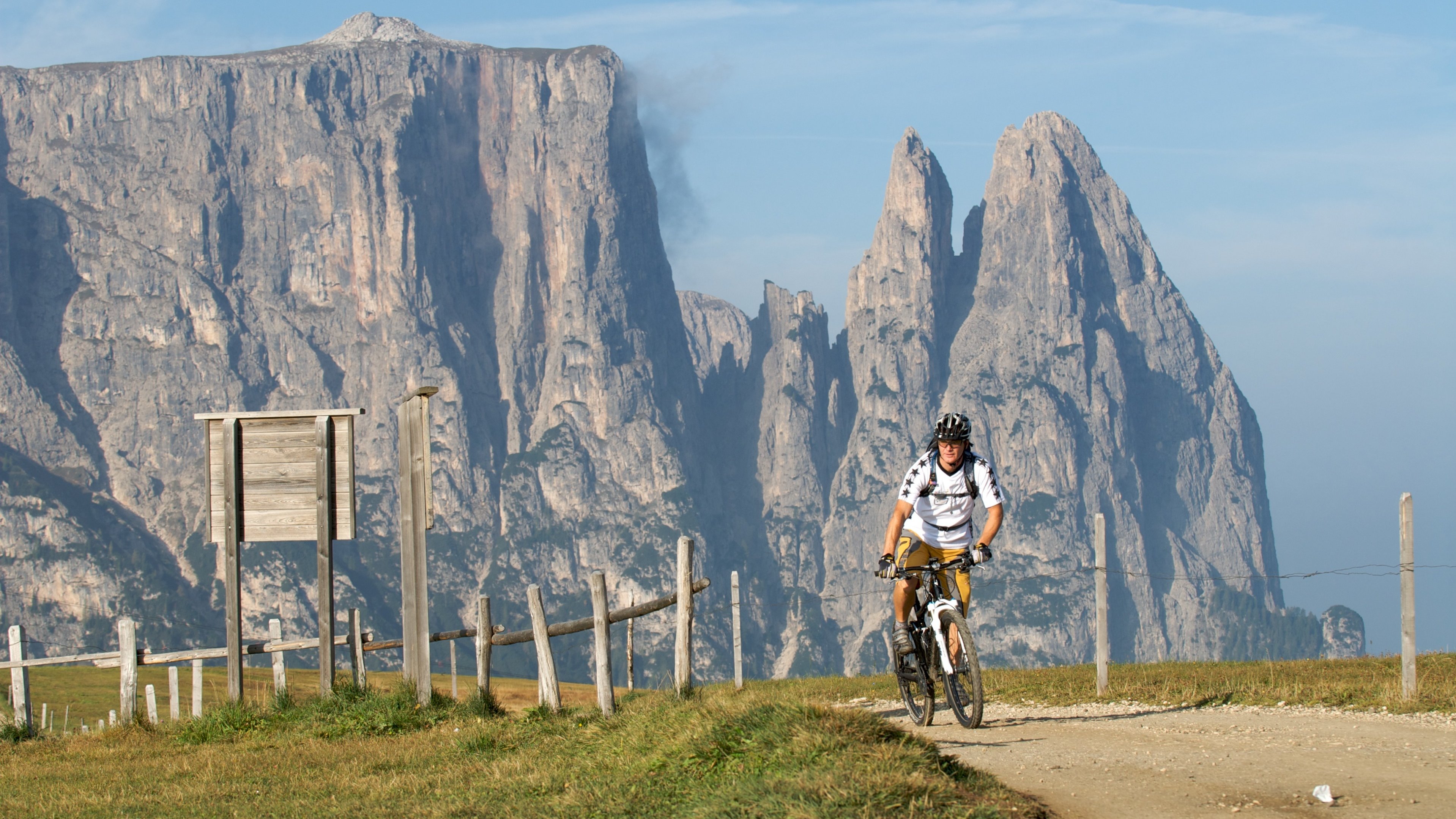
The Sciliar nature park is located on the border between South Tyrol and Trentino. This area is known throughout the world because of its spectacular landscape and terrain, making it a coveted destination of countless mountain lovers. The nature park encompasses two areas: both feature sharp towers and imposing, steep rocky walls. Experience a diverse, impressive chromatic display which, depending on the sun’s position, ranges from light pink to dark purple. The Catinaccio has always had a fairy-tale quality to it and so it shouldn’t surprise visitors of the park to discover its name among legends as old as time itself. The changes to the mountains, which go back millions of years, are the perfect excuse to for geological research and were also the perfect ingredients to fuel the locals’ imagination!

DOLOMITIVITY

Energy & Well-being in the Dolomites

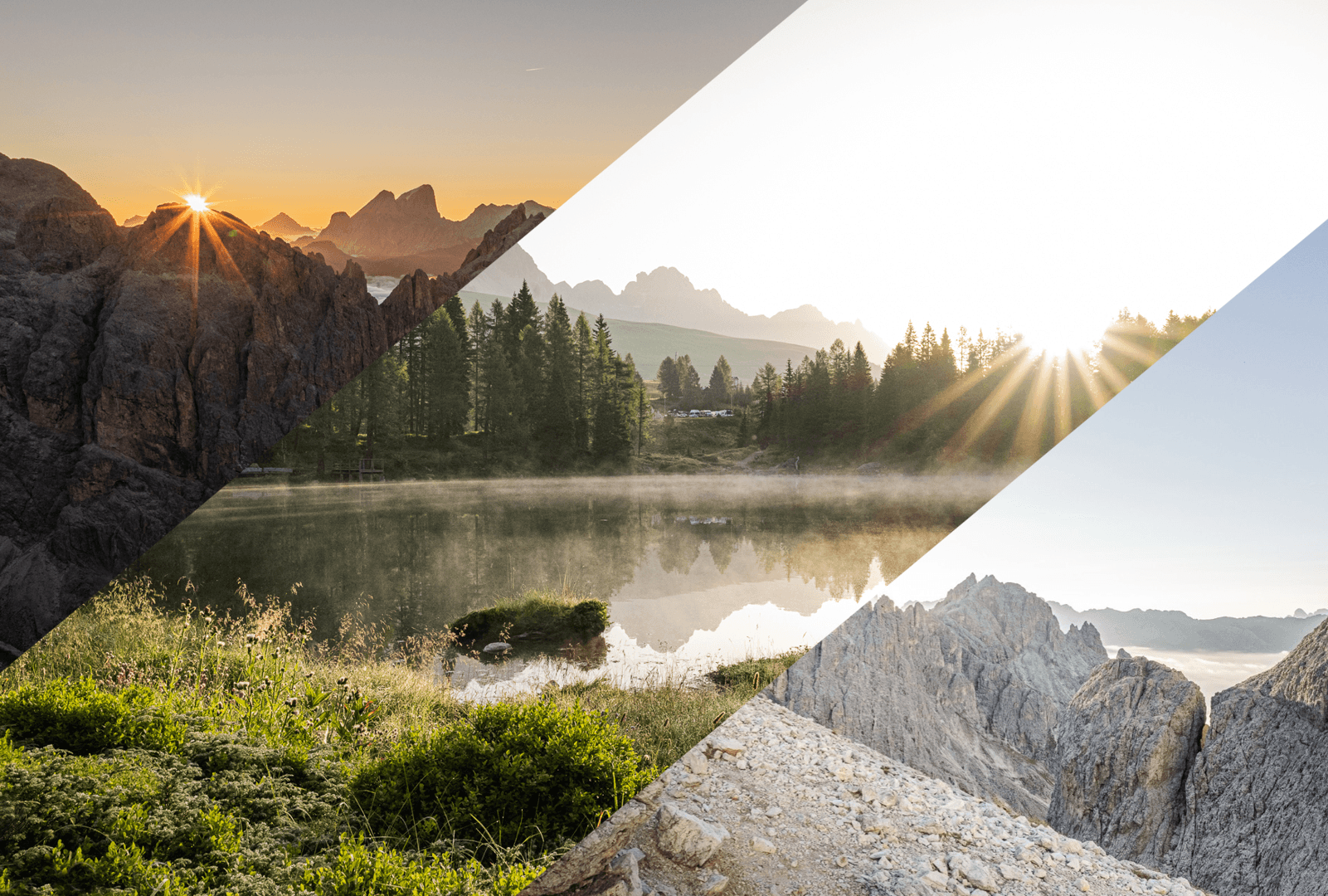
DOLOMITIVITY describes the special feeling that arises when people and nature meet in the Dolomites. Three distinctive natural elements become a source of energy, helping you recharge and experience the Dolomites in a deeper, more intense way.

  • The unique light
  • The special silence
  • The pure mountain air

A UNESCO Dolomites panoramic balcony in Val Gardena

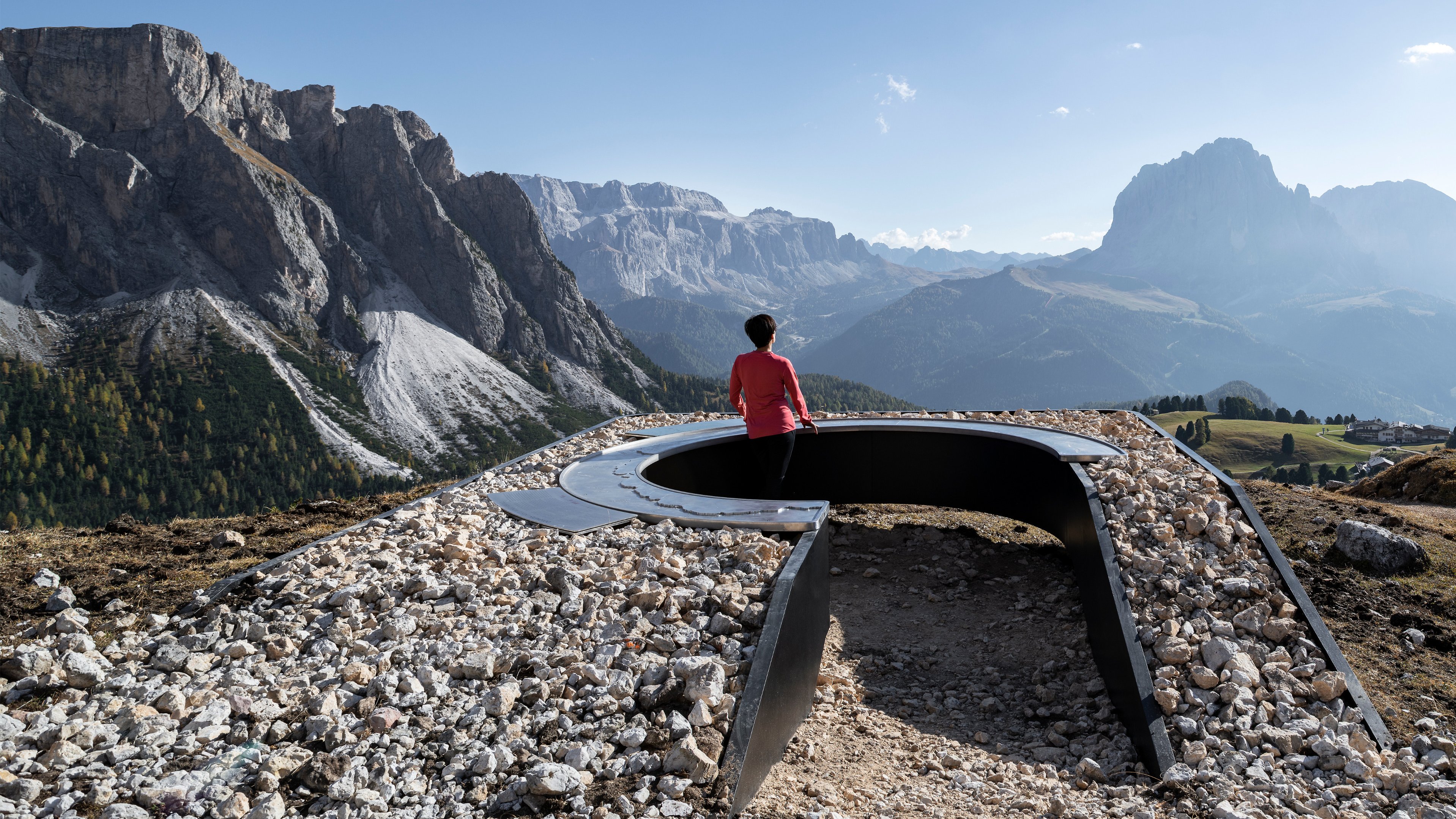
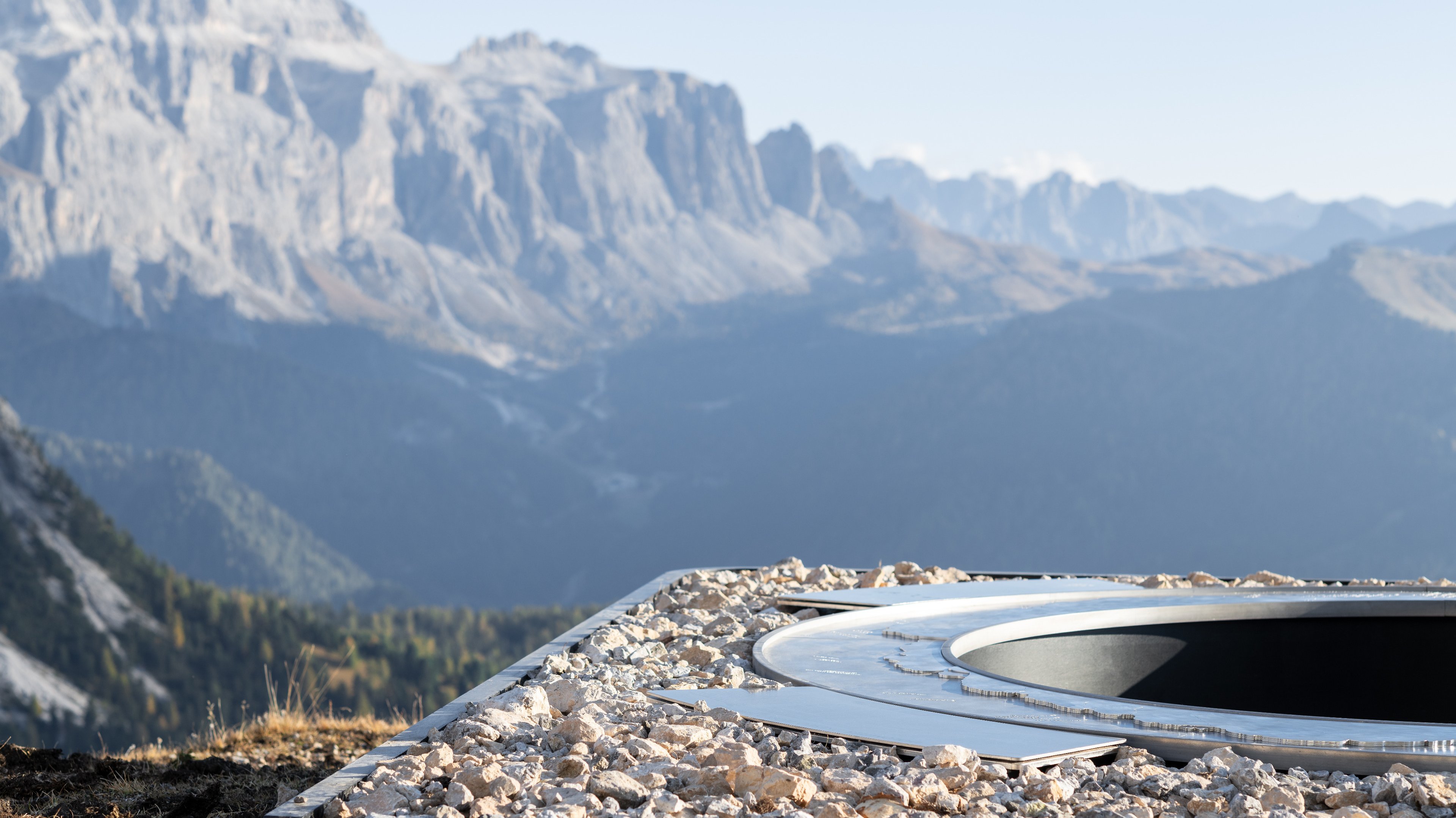
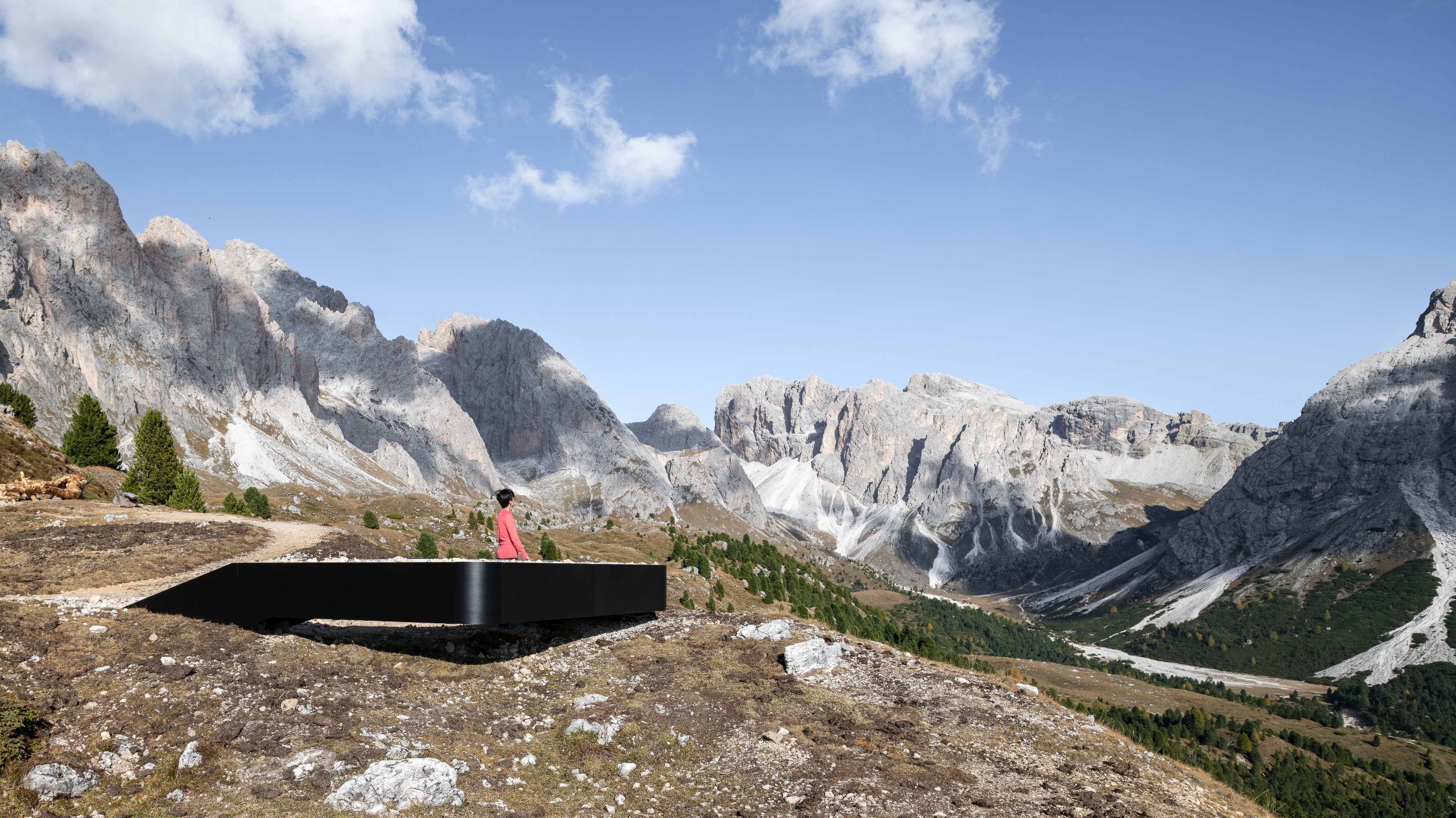
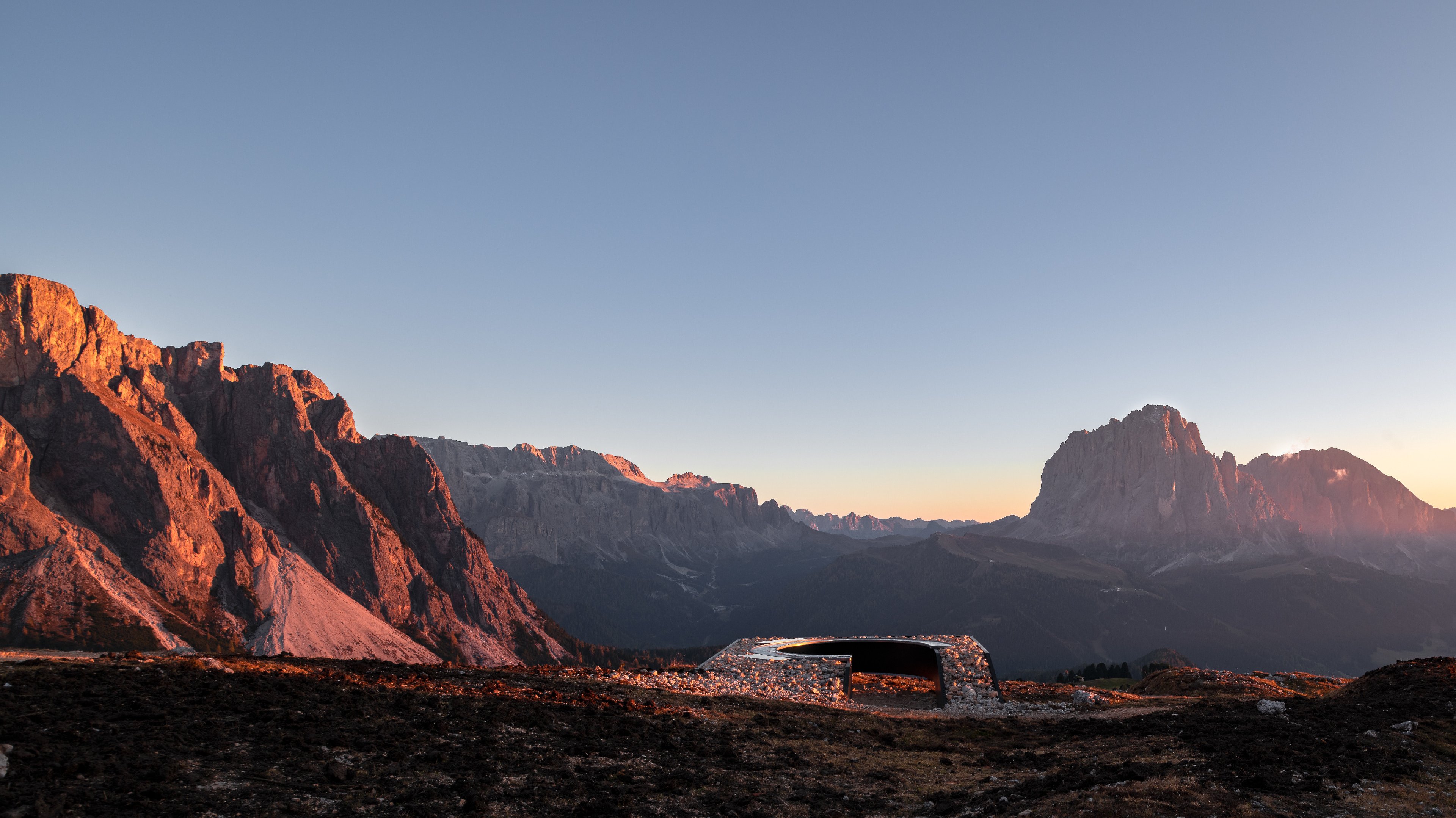
On Alpe Mastlé/Col Raiser in S. Cristina there is one of the two UNESCO Dolomites panoramic balconies in South Tyrol.

The UNESCO Dolomites panoramic balconies are particularly fascinating vantage points in the mountains. They are an example of what makes the Dolomites so extraordinary, with their geological and landscape characteristics. There are two such balconies in South Tyrol; one of them is located in the Puez-Odle Nature Park in S. Cristina: near the top station of the Col Raiser gondola lift, where a terrace at 2,200 metres above sea level has been built, offering a breathtaking view of the Alpine world of the Dolomites.

The panoramic balcony on the Mastlé/Col Raiser, a UNESCO World Heritage Site of the Dolomites, was built on the model of the Strudelkopf/Dobbiaco, with particular attention to an eco-sustainable approach in building. In view of the extremely sensitive context, a structure has been created that is closely linked to the surrounding environment. The steel structure, at the centre of which is the list of visible peaks, was filled in on site with existing soil and rock material.

FAQs about the Dolomites

Useful facts about the Dolomites, the UNESCO World Heritage Site, and important information for planning your holiday

What are the Dolomites, where are they located, how were they formed, and why are they a UNESCO World Heritage Site? In our FAQs, you will find clear and concise answers to the most frequently asked questions about the Dolomites. Discover more about their unique geology, the origin of their name, their distinctive mountain landscapes, and the significance of their UNESCO World Heritage status. You will also find practical information to help you plan your holiday in the Dolomites, from the best time to visit to useful tips for your stay.

Val Gardena lies in the heart of the Dolomites and is an ideal starting point for exploring this unique mountain landscape, including Seceda, the Sassolungo, the Sella Group, the Odle Group and the Alpe di Siusi.

Understanding the Dolomites: Formation, Geography, and UNESCO World Heritage Status

What are the Dolomites?

The Dolomites are a spectacular mountain range in the Southern Alps of northern Italy, famous for their dramatic limestone peaks, towering rock formations and extraordinary alpine scenery. They extend across the regions of Trentino-Alto Adige/South Tyrol, Veneto and Friuli Venezia Giulia, covering parts of five Italian provinces: Bolzano, Trento, Belluno, Udine and Pordenone. Their geological history dates back approximately 250 million years, when much of the area was covered by a tropical sea. Over millions of years, ancient coral reefs, marine sediments and geological transformations created the distinctive rock formations visible today.

In 2009, the Dolomites were inscribed on the UNESCO World Heritage List for their exceptional natural beauty and outstanding geological and geomorphological significance. Val Gardena is located in the heart of the Dolomites, surrounded by some of their most famous mountains, including Sassolungo, the Sella Group and the Odle peaks.
 

Why are the Dolomites called the Dolomites?

The Dolomites take their name from the French geologist Déodat de Dolomieu (1750–1801).
In the late 18th century, Dolomieu studied the characteristic pale rock found in the region and recognised that its chemical composition differed from ordinary limestone. The mineral, containing calcium and magnesium, was subsequently named dolomite in his honour.
The name was eventually adopted for the mountain range itself.

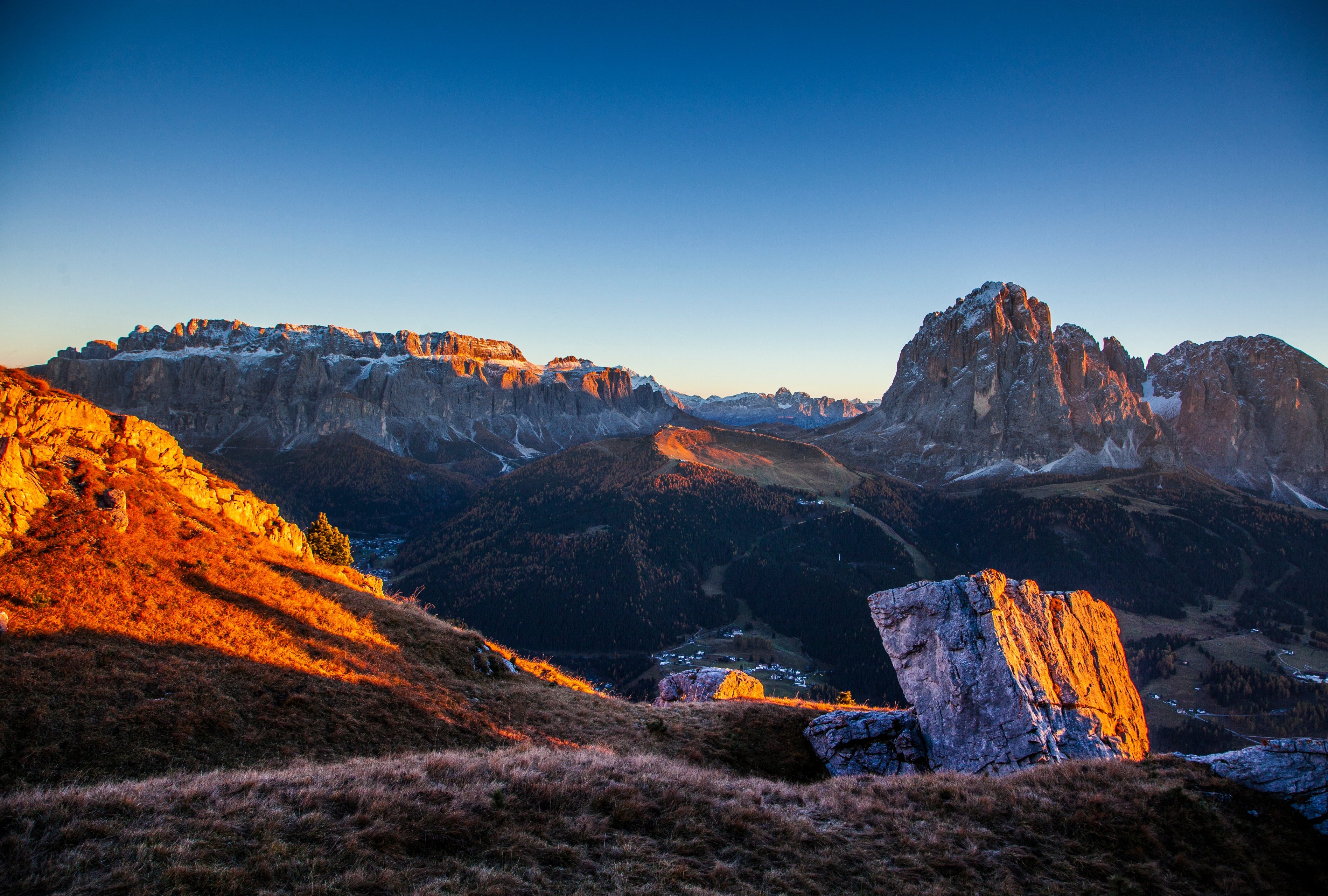
Today, the Dolomites are also known as the Pale Mountains because of their characteristic light-coloured rock, which often glows pink, orange and red at sunrise and sunset, a natural phenomenon known locally as Enrosadira.

How should visitors behave in the Dolomites UNESCO World Heritage Site?

Visitors should respect the natural environment, follow local regulations and help preserve the Dolomites for future generations.
When exploring the UNESCO World Heritage landscape, please follow these guidelines:

  • Stay on marked hiking trails to protect fragile alpine vegetation.
  • Take all rubbish back with you and leave no trace.
  • Respect wildlife and plants. Observe animals from a distance and never pick protected flowers.
  • Avoid unnecessary noise and enjoy the natural silence of the mountains.
  • Stay overnight only in authorised accommodation or managed mountain huts. Wild camping and unauthorised overnight stays outdoors are prohibited.
  • Do not light open fires. Avoid smoking wherever there is a fire risk.
  • Keep dogs on a leash and always dispose of dog waste properly.
  • Use public transport whenever possible. The Val Gardena Guest Pass makes car-free mobility particularly convenient for eligible overnight guests.
  • Respect grazing livestock and close gates after passing through them.
  • Do not fly drones in protected areas where their use is prohibited.
  • Follow all signs and instructions issued by park rangers and emergency services.

Responsible travel helps protect both the unique natural environment and the communities of the Dolomites.

Val Gardena: Discovering the Heart of the Dolomites

Which is the best area in the Dolomites?

The best area in the Dolomites depends on which mountains, hiking routes and attractions you want to explore.
The Dolomites cover a large geographical area, and travelling between neighbouring valleys can take considerably longer than expected because of winding mountain roads and high passes.

For visitors interested in Seceda, Sassolungo, the Sella Group, Alpe di Siusi and the Puez-Odle Nature Park, Val Gardena is an excellent choice for a holiday base. Located in the central Dolomites of South Tyrol, Val Gardena offers direct access to many renowned hiking and skiing areas, an extensive network of mountain lifts, excellent public transport and a wide range of accommodation.
Its three villages — Ortisei, S. Cristina and Selva Val Gardena — are closely connected, making it easy to explore different parts of the valley without relying on a car.

Understanding the different regions of the Dolomites

The Dolomites cover a vast mountainous area with deep valleys, winding mountain roads and significant differences in accessibility. When planning your Dolomites holiday, choosing the right place to stay is essential. Driving between neighbouring valleys can easily take 90 minutes or more, depending on the route, traffic and season. A poorly chosen base can mean spending more time travelling than enjoying the mountains. Each geographical region of the Dolomites offers a variety of valleys, holiday destinations and landscapes, each with its own cultural identity, attractions and transport connections. The best region to stay in depends on your travel preferences, the activities you want to experience and the places you plan to visit.

To make planning your Dolomites trip easier, the mountain range can be divided into three main geographical areas, regardless of administrative or provincial boundaries:

  • Western Dolomites: Including the Brenta Dolomites in Trentino, known for their impressive limestone formations and distinctive mountain landscapes.
  • Central Dolomites: Covering parts of South Tyrol, Trentino and Belluno, and home to many celebrated mountain groups and holiday destinations, including Val Gardena.
  • Eastern Dolomites: Stretching across parts of South Tyrol, Belluno and Friuli, with spectacular mountain scenery and both well-known landmarks and more remote valleys.

Choosing accommodation close to your main destinations helps reduce travel time, traffic and the environmental impact of your holiday.

The Dolomites deserve more than a quick photo stop. Staying several days in one destination allows you to experience their landscapes, culture and natural beauty at a more relaxed pace.

Choose the Dolomites Region That Best Matches Your Travel Priorities

For many visitors, the Central and Eastern Dolomites are among the most attractive regions for a mountain holiday, thanks to their spectacular scenery, well-developed tourism infrastructure and wide range of outdoor activities.
The holiday destinations in South Tyrol, particularly Val Gardena (Gröden), stand out for their excellent tourism infrastructure. Visitors benefit from a wide selection of hotels and accommodation, outstanding restaurants and an extensive network of mountain lifts, hiking trails and traditional alpine huts. This makes exploring the Dolomites easier and more enjoyable, whether you are planning a hiking holiday, an active mountain getaway or a relaxing stay surrounded by nature.

Another distinctive feature of Val Gardena is its unique cultural diversity. Here, German-speaking, Italian and Ladin influences come together, creating a fascinating blend of Alpine traditions, Mediterranean lifestyle and authentic Ladin heritage.

The Dolomites are not a single holiday destination but an extensive mountain range with numerous valleys, picturesque Alpine villages and very different starting points for hiking trails, mountain excursions and sightseeing.
Choosing a hotel simply because it looks idyllic on Instagram or appears to be "in the heart of the Dolomites" can lead to disappointment. Travellers often discover only after arriving that the famous landmarks, hiking routes or viewpoints they wanted to visit are one or even two hours away. Before booking your accommodation in the Dolomites, identify the places, hikes and experiences that matter most to you. Then choose a destination that provides convenient access to them. This allows you to spend more time enjoying the mountains and less time driving.

Although a two-hour journey may seem manageable on a map, driving in the Dolomites can be more demanding than expected. Mountain roads are often winding and narrow, and traffic can be particularly heavy during peak holiday periods. Staying close to your preferred activities and attractions makes your holiday more relaxing, reduces unnecessary travel and allows you to experience the extraordinary mountain landscape at a more comfortable pace.

Choosing accommodation close to your planned activities also supports more sustainable tourism in the Dolomites. Fewer car journeys mean less traffic through Alpine valleys, less pressure on parking facilities and a reduced impact on the natural environment and local communities. Start your day early and take the time to truly appreciate your surroundings. Rather than trying to see everything, focus on experiencing fewer places more deeply.

The Dolomites are much more than a spectacular backdrop for photographs. They are a place to discover with all your senses. Travelling slowly, respecting nature and connecting with the landscape can turn a mountain holiday into something truly memorable.

What stays with you long after your trip is not simply a collection of beautiful pictures, but unforgettable experiences, genuine relaxation and a lasting sense of wonder.

Where is Val Gardena located in the Dolomites?

Val Gardena is an alpine valley in South Tyrol, northern Italy, situated in the heart of the Dolomites. The valley consists of three main villages:

  • Ortisei (Urtijëi / St. Ulrich) – 1,236 metres above sea level.
  • S. Cristina (Santa Crestina / St. Christina) – 1,428 metres above sea level.
  • Selva di Val Gardena (Sëlva / Wolkenstein) – 1,563 metres above sea level.

Val Gardena is surrounded by famous Dolomite mountain groups, including Sassolungo, Sella, Odle, Puez, Stevia and the Cir peaks.

Thanks to its central location, visitors can reach many popular hiking areas, ski slopes and panoramic viewpoints directly from the valley using mountain lifts, hiking trails and public transport.

Why visit Val Gardena? What makes it special?

Val Gardena (Gröden), located in South Tyrol, Italy, is considered one of the most attractive destinations and ideal bases for exploring the Dolomites. Travel writers, mountain experts and tourism publications frequently describe Val Gardena as the Dolomite valley par excellence, thanks to its exceptional mountain scenery, excellent tourism infrastructure, convenient accessibility and rich cultural heritage.

One of Val Gardena's greatest advantages is its combination of spectacular Dolomite landscapes, an extensive network of mountain lifts, well-developed public transport and easy access to some of the most famous attractions in the Dolomites, including Seceda, Alpe di Siusi (Seiser Alm) and the Sassolungo (Langkofel) massif.

Spectacular Mountains and Easy Access to the Dolomites

Val Gardena is surrounded by some of the most impressive mountain groups in the Dolomites, including the Odle (Geisler) peaks, Stevia, the Puez Group, the Cir peaks, the Sella Group and the iconic Sassolungo (Langkofel). The vast alpine plateau of Alpe di Siusi (Seiser Alm) is also within easy reach.

Many of these spectacular mountain landscapes can be accessed directly from the valley's three villages, either by mountain lift, public transport or scenic hiking trails. This makes Val Gardena an excellent starting point for hiking, mountain adventures and exploring the Dolomites without spending hours driving.

Three Charming Villages: Ortisei, Santa Cristina and Selva

Val Gardena consists of three main holiday villages: Ortisei (St. Ulrich/Urtijëi), Santa Cristina (St. Christina/Santa Crestina) and Selva di Val Gardena (Wolkenstein/Sëlva).

Each village has its own distinctive character, yet all three offer excellent accommodation options, welcoming hospitality, outstanding restaurants, convenient access to mountain activities and an authentic Alpine atmosphere.

Whether you prefer a lively village centre, a peaceful mountain setting or direct access to hiking trails and ski slopes, Val Gardena offers a wide choice of places to stay in the heart of the Dolomites.

One of the Longest Hiking Seasons in the Dolomites

Val Gardena is also particularly attractive for visitors planning a hiking holiday in spring, summer or autumn. The destination offers one of the longest lift-assisted hiking seasons in the Dolomites, with selected mountain lifts operating from May until early November, depending on seasonal schedules and weather conditions.

This extended season allows visitors to experience the changing colours and atmosphere of the Dolomites, from flowering alpine meadows in late spring to golden autumn landscapes.

A Unique Blend of Ladin, South Tyrolean and Italian Culture

What makes Val Gardena truly distinctive is its unique combination of Ladin, South Tyrolean and Italian cultural influences.

This cultural diversity is reflected in the valley's languages, regional cuisine, traditional architecture, local customs and everyday way of life. The Ladin language and traditions remain an essential part of Val Gardena's identity, giving the destination an authentic character that goes far beyond its spectacular mountain scenery.

Val Gardena is also internationally renowned for its centuries-old woodcarving tradition. Generations of skilled artisans have shaped the valley's artistic heritage, producing everything from traditional wooden sculptures and religious artworks to contemporary art and intricate handcrafted objects. Today, this living tradition can still be discovered in local workshops, galleries and exhibitions.

Events, Local Traditions and Val Gardena Active

There is always something to discover in Val Gardena. Throughout the year, the valley hosts a varied programme of cultural events, traditional celebrations and activities.

Visitors can enjoy concerts by local brass bands and choirs, traditional costume parades, literary events, farmers' and craft markets, art exhibitions and many other events that offer an authentic insight into local life.

The Val Gardena Active programme provides a wide range of organised activities, including guided hikes, traditional cooking classes, woodcarving workshops and cultural excursions. These experiences give visitors the opportunity to explore the Dolomites with local experts, discover regional traditions and connect more deeply with the destination.

Top DOLOMITES Experiences: Unforgettable Moments in Val Gardena

For travellers looking for extraordinary experiences, the Top DOLOMITES Experiences bring together some of the most memorable ways to discover Val Gardena and the Dolomites.

Enjoy a traditional DOLOMITES Breakfast in an alpine hut, experience a unique Flying Aperitivo on a chairlift surrounded by magnificent mountain scenery, admire the first rays of sunlight during a guided DOLOMITES Sunrise experience or watch the peaks glow in the evening light during a DOLOMITES Sunset excursion.

The exclusive Special Nights offer further opportunities to enjoy the mountains in a magical atmosphere, combining nature, local gastronomy and memorable moments under the stars.

These carefully designed experiences invite visitors to discover the Dolomites from a different perspective, creating lasting memories that go far beyond the classic mountain holiday.
 

Which village should I stay in: Ortisei, S. Cristina or Selva di Val Gardena?

One of the greatest advantages of staying in Val Gardena (Gröden) is the close proximity of its three main holiday villages: Ortisei (St. Ulrich), Santa Cristina (St. Christina) and Selva di Val Gardena (Wolkenstein). The villages are spread over a distance of approximately 10 kilometres and are excellently connected by public transport. The bus journey between Ortisei and Selva takes around 30 minutes. No matter which village or accommodation you choose in Val Gardena, the valley's main hiking areas, mountain lifts and attractions are easily accessible by public transport, sometimes with a short walk or connecting service.
Guests staying at participating accommodation providers also receive the Val Gardena Guest Pass, which allows free use of most public transport services in the valley and throughout South Tyrol. This makes exploring the Dolomites without a car both convenient and environmentally friendly, while helping visitors avoid parking fees and reduce traffic in the mountain valleys.

Selva di Val Gardena (Wolkenstein/Sëlva) – 1,563 m: The Highest Village in Val Gardena

Best for mountain enthusiasts, hiking, skiing and direct access to the Sellaronda.

Nestled beneath the imposing Sella massif, Selva di Val Gardena is the highest of the three villages in Val Gardena, located at an altitude of 1,563 metres. Surrounded by spectacular Dolomite peaks, the village enjoys an exceptional setting in the heart of the mountains, making it an outstanding holiday destination for outdoor enthusiasts in both summer and winter.
One of Selva's greatest attractions is its direct access to the famous Sellaronda, one of the most iconic circular routes in the Dolomites for skiers and cyclists. The route connects four Dolomite passes and offers unforgettable views of the surrounding mountain landscape.
As the valley's second-largest village by population, Selva is also an excellent starting point for hikes in the Puez-Odle Nature Park (Naturpark Puez-Geisler), part of the UNESCO World Heritage Dolomites. A particular highlight is Vallunga (Langental), a stunning side valley characterised by towering rock walls, impressive natural scenery and peaceful walking trails. Traditional mountain farms offer fascinating insights into authentic Alpine life, while numerous hiking and walking routes lead through protected natural landscapes, past geological formations and historic cultural landmarks.
In winter, Selva ranks among the most renowned ski destinations in the Alps. With direct connections to the Sellaronda and Dolomiti Superski network, as well as ski-in/ski-out access at many accommodations, the village provides excellent conditions for an unforgettable skiing holiday in the Dolomites.

Discover Selva di Val Gardena

Santa Cristina (St. Christina/Santa Cristina) – 1,428 m: The Geographical Heart of Val Gardena

Best for a central location, hiking, skiing, spectacular mountain views and a relaxed Alpine atmosphere.

Located at an altitude of 1,428 metres, Santa Cristina lies in the geographical heart of Val Gardena, making it an excellent base for active travellers who appreciate short distances and convenient access to the mountains.
From Santa Cristina, visitors can easily reach some of the most spectacular hiking areas in the Dolomites, including Col Raiser, Seceda, the Puez-Odle Nature Park, Monte Pana and Mont Sëura, at the foot of the mighty Sassolungo (Langkofel).
The iconic Sassolungo massif rises dramatically above the village, creating one of the most impressive mountain backdrops in the Alps.
Santa Cristina also invites visitors to discover its natural and cultural heritage at a more relaxed pace. A walk along the former Val Gardena railway route offers wonderful panoramic views and insights into the valley's history. Alternatively, scenic farm trails lead past centuries-old mountain farmhouses, where traditional Alpine life remains deeply rooted.
The charming, pedestrian-friendly village centre, with its restaurants, cafés, bars and shops, offers a welcoming atmosphere for a leisurely stroll or a relaxing break after a day in the mountains.
In winter, Santa Cristina is one of the most attractive ski destinations in the Dolomites. Its convenient connections to the Sellaronda, the sunny slopes of Seceda and Col Raiser, and the legendary Saslong World Cup downhill course make it an ideal choice for skiing enthusiasts.

Discover Santa Cristina

Ortisei (St. Ulrich/Urtijëi) – 1,236 m: The Cultural Heart of Val Gardena

Best for culture, shopping, restaurants, traditional craftsmanship and easy access to the mountains.

At an altitude of 1,236 metres, Ortisei is the cultural and social centre of Val Gardena, renowned for its picturesque historic village centre, traditional craftsmanship and lively Alpine atmosphere. Its beautiful pedestrian zone is considered one of the most charming in the Dolomites. Stylish boutiques, welcoming cafés, excellent restaurants and traditional shops invite visitors to explore the village at a leisurely pace. Here, Alpine lifestyle, South Tyrolean hospitality and Italian dolce vita come together in a particularly appealing way, throughout the year. Ortisei is also famous for its centuries-old woodcarving tradition, which has shaped the valley's artistic identity for more than 200 years. Visitors can still discover this remarkable craftsmanship in local workshops, art galleries and traditional woodcarving studios. The Museum Gherdëina provides fascinating insights into the history, geology, artistic heritage and Ladin culture of Val Gardena, helping visitors better understand the unique identity of this Alpine valley.
Ortisei's architectural heritage is another highlight. Historic hotels and elegant villas dating from around 1900 recall the pioneering days of mountaineering and Alpine tourism, when Val Gardena began developing into an internationally recognised mountain destination.
Despite its lively village atmosphere, Ortisei also offers excellent access to the surrounding Dolomites. Mountain lifts connect the village directly with the Seceda area, Alpe di Siusi (Seiser Alm) and the Rasciesa (Raschötz) plateau, opening up a wide range of scenic walks, panoramic hikes and winter sports opportunities. Whether you are looking for a cultural holiday, a relaxing Alpine getaway, a hiking adventure or a skiing holiday, Ortisei offers an attractive combination of mountain experiences, excellent hospitality and authentic local traditions.

Discover Ortisei

Which famous Dolomite mountains are near Val Gardena?

Val Gardena is surrounded by some of the most famous mountains and spectacular landscapes in the Dolomites, making it an ideal base for exploring this UNESCO World Heritage mountain range. These include:

  • Sassolungo (Langkofel), the iconic mountain overlooking the valley.
  • Sella Group (Gruppo del Sella/Sellagruppe), a dramatic limestone massif.
  • Odles (Odle/Geisler) peaks, famous for their striking rock towers.
  • Seceda, renowned for its panoramic

Another major highlight is Alpe di Siusi (Seiser Alm), Europe's largest high-altitude Alpine meadow, located just above Val Gardena. The plateau is easily accessible via a direct gondola lift from Ortisei (St. Ulrich). It can also be explored on foot or by mountain bike via alternative routes through Bulla (Pufels), Monte Pana and the Jender Valley, depending on trail access and seasonal conditions.

This exceptional variety of mountain landscapes makes Val Gardena one of the most convenient starting points for hiking, climbing, skiing, mountain biking and other outdoor activities in the Dolomites.

Many of these famous mountain areas can be reached directly from the valley's three main villages — Ortisei, Santa Cristina and Selva di Val Gardena — by mountain lift, hiking trail or public transport, allowing visitors to discover the beauty of the Dolomites without long car journeys.

Where is Seceda, how to get there and when to visit?

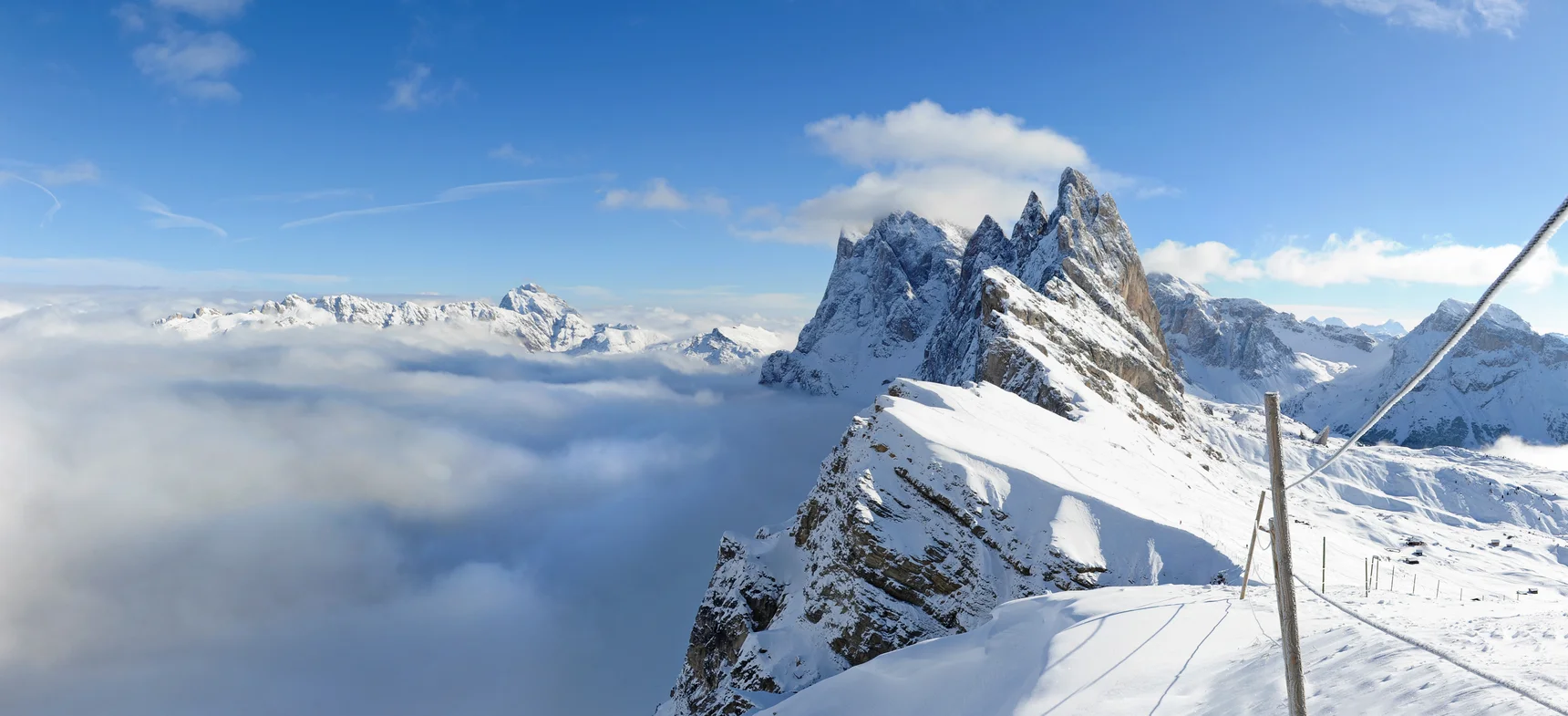
Seceda (2,519 m) is one of the most famous mountain peaks and viewpoints in the Dolomites, located above Ortisei (St. Ulrich) and Santa Cristina (St. Christina) in Val Gardena, South Tyrol, Italy. Situated in the area of the Puez-Odle Nature Park, Seceda is particularly renowned for its dramatic ridgeline, steep cliffs and breathtaking panoramic views of the UNESCO World Heritage Dolomites.
The iconic Seceda ridgeline, with its jagged Odle (Geisler) peaks, has become one of the most photographed mountain landscapes in the Dolomites and is frequently featured on social media.

How to get to Seceda

The Seceda summit and its surrounding alpine meadows belong to the municipality of Santa Cristina in Val Gardena.
The easiest way to reach Seceda is by taking the Ortisei–Furnes gondola and the connecting Furnes–Seceda cable car, which transport visitors close to the summit. Alternatively, the mountain can be reached from Santa Cristina via the Col Raiser cable car and a scenic hike. However, Seceda can also be reached on foot from all three villages of Val Gardena: Ortisei, Santa Cristina and Selva di Val Gardena.
For travellers who prefer a more authentic mountain experience and wish to avoid the busiest areas, hiking to Seceda is a rewarding alternative. The various routes lead through forests, alpine meadows and spectacular Dolomite scenery before reaching the famous panoramic ridgeline. Depending on the starting point, these hikes require good physical fitness and appropriate mountain equipment.
Along the way, several traditional alpine mountain huts invite hikers to take a break and enjoy delicious South Tyrolean and Ladin specialities. These welcoming huts provide ideal opportunities to experience authentic Alpine hospitality during the ascent or descent, subject to seasonal opening times.

When is the best time to visit Seceda?

The best time to hike to Seceda is generally from late spring to autumn, depending on weather, snow conditions and the chosen hiking route. For visitors seeking a quieter experience, late spring and autumn can be particularly attractive. May, September and October often offer a more peaceful atmosphere than the busy summer months. However, snow may still cover higher hiking trails in May and can return during autumn, so checking current conditions before setting off is essential. Summer, particularly July and August, is also an excellent time to explore Seceda, with generally favourable hiking conditions, lush alpine meadows and spectacular mountain panoramas. However, these months attract significantly more visitors, especially around the cable car mountain station and the famous Seceda viewpoint.

Can You Visit Seceda in Winter?

Yes, Seceda is also accessible in winter and forms part of the popular Val Gardena skiing area. However, hiking in the Seceda area during winter requires particular care. Snow, ice, changing weather conditions and potential avalanche hazards can make mountain routes considerably more challenging. Anyone planning to explore Seceda on foot in winter should have suitable winter equipment, sturdy footwear with good grip, experience in winter mountain conditions and reliable information about the current route and avalanche situation. Depending on conditions, specialist equipment and the assistance of a qualified mountain guide may be necessary.
Visitors should also be aware that several ski slopes cross the Seceda area during the winter season. Ski slopes should not be used as hiking trails, and all local safety regulations and designated routes must be respected.
For a safe and enjoyable experience, always check weather forecasts, current trail conditions and lift operating schedules before visiting.

Discover more useful information about Seceda
 

Can You Reach Seceda, Sassolungo, the Sella Group and Alpe di Siusi from Val Gardena?

Yes, Val Gardena (Gröden) is one of the best places to stay in the Dolomites for exploring Seceda, Sassolungo (Langkofel), the Sella Group and Alpe di Siusi (Seiser Alm). Located in the heart of the South Tyrolean Dolomites, Val Gardena offers excellent access to these famous mountain destinations via cable cars, mountain lifts, hiking trails, public transport and mountain bike routes.

Each of these iconic Dolomite attractions is easily accessible from one or more of Val Gardena's three main villages: Ortisei (St. Ulrich), Santa Cristina (St. Christina) and Selva di Val Gardena (Wolkenstein).

  • Seceda: Easily reached from Ortisei via the Ortisei–Furnes gondola and Furnes–Seceda cable car, offering access to the famous Seceda ridgeline and panoramic views of the Odle (Geisler) peaks.
  • Sassolungo (Langkofel): Accessible from Santa Cristina via Monte Pana and Mont Sëura, or from the Passo Sella (Sellajoch) area, with numerous hiking trails around this iconic Dolomite massif.
  • Sella Group: Particularly accessible from Selva di Val Gardena and Passo Gardena (Grödner Joch), making it a popular destination for hiking, climbing and skiing.
  • Alpe di Siusi (Seiser Alm): Europe's largest high-altitude Alpine meadow can be reached directly from Ortisei by gondola lift, providing easy access to panoramic hiking trails, alpine huts and spectacular mountain scenery.

Val Gardena is therefore an ideal central base for a holiday in the Dolomites. Visitors can explore several of the region's most famous mountains and natural attractions during a single stay, without changing accommodation or spending hours driving between different valleys.

Thanks to its well-developed network of mountain lifts, hiking trails and public transport, Val Gardena also offers excellent opportunities for a car-free and more sustainable Dolomites holiday.

Planning a Holiday in the Dolomites: Accommodation, Activities and Travel Tips

Where should I book accommodation in Val Gardena?

Val Gardena offers a wide selection of hotels, apartments, guesthouses, bed and breakfasts, chalets and other accommodation across Ortisei, S. Cristina and Selva Val Gardena. The best location depends on your plans. Visitors who want easy access to specific hiking trails, cable cars or ski slopes should choose accommodation close to the relevant starting points.

The valley has more than 19,000 guest beds, with a strong tradition of family-run hospitality. Accommodation ranges from small traditional guesthouses and holiday apartments to luxury five-star hotels. Thanks to excellent public transport connections between the three villages, many attractions are accessible without a private car.

Visitors can find accommodation through the official Val Gardena tourism website: www.valgardena.it.

Find your ideal accommodation

What benefits do overnight guests receive in Val Gardena?

Staying at a participating accommodation in Val Gardena offers several advantages, including the free Val Gardena Guest Pass for most public transport in South Tyrol, access to exclusive local benefits, discounted or free guided activities through participating Val Gardena Active partners, personalised tourist information and convenient access to the Dolomites' most famous hiking and skiing areas.Here are the main advantages of staying in Val Gardena:

  • Free Val Gardena Guest Pass – Public Transport and Exclusive Benefits:
    Guests staying at accommodation that is a member of one of the Val Gardena Tourist Associations, as listed on the official website www.valgardena.it, receive the Val Gardena Guest Pass free of charge. This digital guest card allows unlimited free use of most public transport services in Val Gardena and throughout South Tyrol, including regular valley buses and many regional train connections. Depending on the participating accommodation provider, additional benefits may include free or discounted participation in Val Gardena Active activities, access to selected sporting facilities, cultural events and other exclusive local experiences. The Guest Pass is valid throughout your stay, including your arrival and departure days. Certain special bus services and mountain lifts are not included.
  • Gardena Card – Unlimited Summer Mountain Lift Rides:
    The Gardena Card is an attractive option for visitors planning to explore the Dolomites extensively during the summer and autumn hiking season. Available for 3 or 6 consecutive days, this separately purchased lift pass allows unlimited rides on participating mountain lifts in Val Gardena during their operating periods. It provides convenient access to famous hiking areas and mountain destinations such as Seceda, Col Raiser, Alpe di Siusi (Seiser Alm), Monte Pana, Mont Sëura and Dantercëpies. The Gardena Card makes it easier to discover different mountain landscapes without purchasing individual lift tickets for every excursion.
  • Excellent Public Transport – Explore Val Gardena Without a Car:
    Val Gardena offers an extensive and well-coordinated public transport network connecting Ortisei, Santa Cristina and Selva di Val Gardena with numerous cable car stations, hiking areas, ski lifts and local attractions. With the Val Gardena Guest Pass, eligible guests can use most of these public transport services free of charge. This makes it possible to explore much of Val Gardena without a car, avoid parking fees and reduce unnecessary driving through the Dolomite valleys.
  • Short Distances to the Dolomites' Most Famous Attractions:
    One of the greatest advantages of staying in Val Gardena is the close proximity to some of the most iconic mountain landscapes in the Dolomites. Famous destinations such as Seceda, Sassolungo (Langkofel), the Sella Group, Alpe di Siusi (Seiser Alm) and the Puez-Odle Nature Park are easily accessible from the valley's villages. Thanks to the extensive network of mountain lifts, hiking trails and public transport, visitors can spend more time enjoying the mountains and less time travelling between destinations.
  • A More Sustainable and Car-Free Dolomites Holiday:
    Choosing accommodation in Val Gardena also supports a more environmentally responsible way of travelling. The well-developed public transport system, together with convenient access to mountain lifts and hiking trails, allows visitors to leave their car at their accommodation for much of their stay — or even enjoy an entirely car-free holiday. Fewer car journeys help reduce traffic congestion, parking pressure and environmental impacts in the Alpine valleys, contributing to the long-term preservation of the unique Dolomite landscape.
  • Val Gardena Active – Guided Activities and Authentic Local Experiences:
    The Val Gardena Active programme offers a varied selection of outdoor activities and cultural experiences throughout the year. Depending on the season, visitors can choose from guided hikes, climbing experiences, e-bike tours, yoga sessions, traditional cooking classes, cultural excursions and family-friendly activities. Guests staying at participating Val Gardena Active partner accommodations can enjoy many of these activities free of charge or at significantly reduced prices, according to the programme's conditions. The programme provides an opportunity to discover Val Gardena with knowledgeable local guides, learn about Ladin traditions and experience the Dolomites beyond the usual tourist attractions.
  • Personalised Tourist Information and Local Services:
    Visitors staying in Val Gardena benefit from the support of the valley's local Tourist Associations. The Tourist Offices in Ortisei, Santa Cristina and Selva provide personalised travel advice, up-to-date hiking information, weather forecasts, recommendations for local events and assistance with planning excursions. Their local knowledge helps guests choose suitable activities, discover lesser-known places and make the most of their time in the Dolomites.
  • Authentic Ladin Culture, Alpine Traditions and Outstanding Cuisine:
    A holiday in Val Gardena is also an opportunity to discover the valley's distinctive cultural identity. In Ortisei, Santa Cristina and Selva di Val Gardena, visitors can experience the rich heritage of Ladin culture, from traditional festivals and local customs to the valley's internationally renowned woodcarving tradition. Val Gardena's gastronomy reflects a fascinating combination of Ladin, South Tyrolean and Italian culinary influences. From rustic alpine huts serving regional specialities to sophisticated gourmet restaurants, the valley offers a wide variety of authentic dining experiences. This combination of culture, hospitality, gastronomy and mountain traditions adds a unique dimension to a holiday in the Dolomites.
  • Your Stay Supports the Local Community and Sustainable Tourism:
    By choosing accommodation affiliated with one of the local Val Gardena Tourist Associations, visitors also contribute to the continued development and preservation of the destination. Local tourism organisations play an important role in supporting village life, maintaining the destination's attractiveness, organising cultural events, providing guest services and promoting more sustainable tourism.

Staying in Val Gardena therefore means more than enjoying a holiday in the Dolomites — it also means supporting the local community, its traditions and the long-term preservation of this exceptional Alpine destination.

Further information…

Do I need a cable car pass or ski pass in Val Gardena?

A mountain lift pass is recommended if you plan to use several cable cars and chairlifts during your holiday.

Summer: Gardena Card or Dolomiti Supersummer Card?

Many hikes in Val Gardena can be started directly from the villages, but mountain lifts provide faster access to high-altitude trails, panoramic viewpoints and alpine pastures. The Gardena Card is particularly suitable for visitors planning to explore Val Gardena's mountain areas. It offers unlimited use of participating lifts during its validity period. The Dolomiti Supersummer Card is a useful alternative for guests wishing to use participating mountain lifts across a wider area of the Dolomites. Popular destinations accessible by lift include Seceda, Col Raiser, Alpe di Siusi, Rasciesa, Monte Pana, Mont Sëura, Ciampinoi and Dantercëpies.

Winter: Val Gardena ski pass or Dolomiti Superski?

Skiers mainly exploring the Val Gardena/Alpe di Siusi ski area can choose an appropriate local ski pass. Visitors wishing to ski the Sellaronda circuit or explore additional ski areas within the Dolomiti Superski network need a pass valid for those areas. The best option depends on how many days you plan to ski and which slopes you intend to visit.

Is hiking in Val Gardena and the Dolomites safe?

Hiking in Val Gardena can be a safe and rewarding experience when visitors choose routes suited to their abilities and prepare for alpine conditions. Val Gardena has an extensive network of well-marked hiking trails, ranging from easy walks and family-friendly routes to demanding alpine hikes and via ferratas.

However, mountain weather can change quickly, and hikers should always take appropriate precautions:

  • Before setting out, check the weather forecast, choose a route suited to your experience, wear suitable hiking shoes, carry enough water and food, and stay on marked trails.
  • Thunderstorms, loose rocks, snowfields and exposed sections can create serious hazards, even during summer.
  • The European emergency number in Italy is 112.
  • Visitors seeking additional guidance can book experienced local hiking guides or certified mountain guides.
  • During the summer season, the Dolomites Rangers also provide information on safety, weather conditions and responsible behaviour in selected mountain areas.

For more practical advice on mountain safety, weather conditions and preparing for your hikes, visit our Safe Hiking in the Dolomites guide.

Val Gardena offers hiking opportunities for all experience levels, from easy panoramic walks and family-friendly alpine meadow trails to challenging mountain hikes and via ferrata routes. Beginners and families can explore numerous scenic walking paths and gentle hikes through the spectacular Dolomite landscape. For additional safety and local insights, visitors can join a guided excursion with an experienced local hiking guide or a professional mountain guide.
Experienced hikers and mountaineers will find a wide selection of demanding alpine routes and exciting via ferratas in the mountains surrounding Val Gardena. These activities require appropriate equipment, good physical fitness, mountain experience and careful preparation.

An additional safety benefit in Val Gardena is the presence of the Dolomites Rangers, who patrol popular hiking areas during the summer season. These trained local personnel provide practical information about hiking routes, weather conditions and mountain safety, encourage responsible behaviour in the UNESCO World Heritage Dolomites and can provide initial first aid when necessary until professional mountain rescue services arrive. Their presence helps visitors explore the Dolomites more safely while promoting respect for nature and responsible mountain tourism.

When is the best time to visit the Dolomites?

The best time to visit the Dolomites depends on whether you prefer hiking, skiing, outdoor adventures or a quieter mountain holiday.

June to October – Hiking and outdoor activities
This is generally the main hiking season in Val Gardena. Mountain lifts, hiking trails and alpine huts offer excellent opportunities to explore the Dolomites, although exact opening periods vary. July and August are especially popular, while June, September and October may appeal to visitors seeking a quieter atmosphere.

April to May – Spring in the Dolomites
Spring brings changing alpine landscapes and generally fewer visitors. However, many mountain lifts, huts and hotels may be closed, and snow can remain on higher hiking trails.

December to March – Winter sports and snowy landscapes
Winter is ideal for skiing, snowboarding, snowshoeing and winter walking. Val Gardena is part of the Dolomiti Superski network and provides access to the famous Sellaronda ski circuit. Visitors can also enjoy traditional Christmas markets, winter landscapes and regional cuisine in the valley's villages and mountain huts.
 

Is Val Gardena suitable for families with children?

Yes. Val Gardena is an excellent destination for families with children of different ages, offering activities in both summer and winter.

  • In summer, families can explore easy panoramic trails, themed walking routes, mountain playgrounds and interactive nature experiences.
  • Popular family attractions include PanaRaida, Troi di Tieres and Troi y Uciei de Frëines.
  • The Val Gardena Kids Active programme offers selected supervised activities and opportunities for children to discover the natural and cultural environment.
  • Mountain lifts make many alpine viewpoints accessible without demanding climbs.
  • In winter, families can enjoy ski schools, beginner-friendly slopes, tobogganing, winter walks and child-friendly mountain huts.
  • A wide choice of family hotels, apartments and guesthouses makes it easy to plan a comfortable family holiday.
Is it better to explore the Dolomites with or without a car?

Exploring the Dolomites without a car is easy when staying in Val Gardena. The three villages of Ortisei, Santa Cristina and Selva di Val Gardena are well connected by public transport, with convenient access to mountain lifts, hiking trails and famous attractions such as Seceda, Alpe di Siusi (Seiser Alm) and the Sella Group.

Guests staying at participating accommodations receive the free Val Gardena Guest Pass, allowing them to use most public transport services throughout South Tyrol at no extra cost.

While a car can be useful for exploring more distant areas of the Dolomites, staying in Val Gardena makes a car-free holiday both convenient and sustainable, helping visitors avoid traffic congestion, parking fees and unnecessary driving.

Val Gardena can be reached by various transport options from within Italy and other European countries.

Arriving by plane

Several airports provide access to the Dolomites:

  • Bolzano (BZO): The closest airport to Val Gardena, approximately 45 minutes away by car.
  • Innsbruck (INN): Around 1.5 hours by car.
  • Verona (VRN): Approximately 2–2.5 hours.
  • Venice Marco Polo (VCE): Approximately 3–3.5 hours.
  • Milan Malpensa (MXP), Milan Linate (LIN) and Bergamo (BGY): Generally around 3.5–5 hours, depending on the airport and traffic.
  • Munich (MUC): Approximately 3.5–4 hours.

Journey times are approximate and depend on traffic, road conditions and weather.

Arriving by train and bus

International and Italian trains connect to railway stations including Bolzano, Bressanone and Chiusa/Klausen. From these stations, visitors can continue towards Val Gardena using regional transport services or organised transfers. For detailed and up-to-date travel information, consult the official Val Gardena website.

General information on how to get to Val Gardena…

How many days should I spend in Val Gardena?

A stay of four to seven days is recommended to experience the main highlights of Val Gardena without rushing. Four or five days allow visitors to explore several famous destinations, such as Seceda, Sassolungo, Alpe di Siusi and the Puez-Odle Nature Park. A full week provides additional time for longer hikes, cultural activities, relaxing days and excursions to other areas of the Dolomites. Staying longer in one destination also reduces the need for repeated transfers and allows visitors to experience the mountains at a more natural pace.

Good to Know: Local Culture, Food and Responsible Travel in Val Gardena

Can I drink tap water in Val Gardena?

Yes, tap water in Val Gardena (Gröden) is safe to drink and is of excellent quality. It comes from natural mountain springs in the Dolomites and is regularly tested according to strict Italian and European drinking water standards. The water is known for its freshness and generally low mineral content.

In Ortisei, Santa Cristina and Selva di Val Gardena, visitors can refill their reusable water bottles free of charge at public drinking fountains clearly marked as potable water. Many hotels, restaurants and mountain huts also provide drinking water or bottle-refilling facilities.

Good to know:
✅ Tap water in Val Gardena is safe and regularly monitored.
✅ Bring a reusable water bottle and refill it at designated drinking fountains.
✅Reduce plastic waste and help protect the UNESCO World Heritage Dolomites.

Drinking tap water is a simple way to enjoy a more sustainable holiday in Val Gardena while reducing single-use plastic waste.
 

Are there supermarkets and shops in Val Gardena?

Yes. All three villages in Val Gardena — Ortisei, S. Cristina and Selva Val Gardena — have supermarkets, grocery stores and other shops. Visitors can purchase everyday essentials, food, regional products, clothing and outdoor equipment directly in the valley. Ortisei also offers a particularly attractive pedestrian shopping area with boutiques, cafés and specialist stores.

Further information...

Are dogs allowed in Val Gardena and the Dolomites?

Val Gardena (Gröden) is a dog-friendly destination, but visitors travelling with dogs must follow certain rules to protect wildlife, livestock and other visitors.

  • 🐕 Dogs must be kept on a leash in all public and publicly accessible areas, including alpine meadows and forests.
  • 🚠 Dogs are allowed on mountain lifts, usually for an additional fee. They must be leashed and wear a muzzle, except for small dogs and guide dogs, according to the operator's regulations.
  • 🚌 Dogs can travel on public buses. Small dogs in suitable carriers travel free of charge, while larger dogs require a ticket and must be leashed and muzzled.
  • 💩 Dog waste must always be collected and disposed of properly. Dog waste stations with bags are available throughout Val Gardena.
  • 🌿 Dogs are not permitted on private property or children's playgrounds where access is prohibited.
  • 🐄 Keep a safe distance from grazing animals, especially cows with calves. If cattle attack or threaten your dog, release the leash so your dog can escape.

Following these rules helps ensure a safe and enjoyable holiday with your dog in Val Gardena while respecting the natural environment of the Dolomites.

Further information...
 

What languages are spoken in Val Gardena?

Val Gardena is a multilingual valley where Ladin, German and Italian are part of everyday life.

Ladin is the traditional language of the valley and an essential part of its cultural identity. It is still spoken by many local residents and is taught in schools.
German is widely used in everyday communication and tourism, while Italian is also an official language and commonly spoken.
English is widely understood in hotels, restaurants, tourist information offices, mountain lifts and shops.

This unique combination of languages reflects Val Gardena's position at the meeting point of Ladin, South Tyrolean and Italian cultures.

What traditional food should I try in Val Gardena and the Dolomites?

The cuisine of Val Gardena combines Ladin, South Tyrolean, Austrian and Italian culinary traditions. Visitors can enjoy traditional mountain dishes in rustic alpine huts, family-run restaurants, pizzerias and fine-dining establishments.
Some of the best-known local specialities include:

  • Bales (dumplings / canederli): Traditional bread dumplings prepared with milk and eggs, often enriched with speck or cheese and served in broth or with melted butter.
  • Panicia (barley soup): A hearty traditional soup made with barley, vegetables and often smoked meat.
  • Ciociul (South Tyrolean speck): Lightly smoked and air-dried cured ham, traditionally served with bread and cheese.
  • Crafuncins (spinach and ricotta ravioli): Crescent-shaped pasta parcels typically served with melted butter and Parmesan cheese.
  • Ribl (Kaiserschmarrn): Fluffy, torn pancakes dusted with icing sugar and served with fruit preserves.
  • Strudl de meiles (apple strudel): A traditional dessert made with apples, raisins and cinnamon, best enjoyed warm.

Food is an important part of the local culture, and exploring traditional cuisine is one of the most authentic ways to discover Val Gardena beyond its mountain scenery.

Your way to Val Gardena

Your holiday destination in the heart of the Dolomites – how to get there.