Awareness of everyone's impact on the Climate
Climate change is a central challenge for sustainable development. Changes in the global climate system due to warming of the Earth’s atmosphere undermine the life bases of large parts of the population in less developed regions, while in developed areas it is mainly infrastructure and economy that are exposed to such risks. Changing of rainfall and temperature cycles also affect ecosystems, such as forests, agricultural land, mountain regions and oceans, as well as plants, animals and people. Globally, CO2 emissions increased by more than 50% between 1990 and 2012, and the international scientific community has long emphasized the need to cut greenhouse gas emissions. Carbon management strategies, i.e., addressing climate-altering emissions, can and must be implemented at all levels to ensure climate protection.
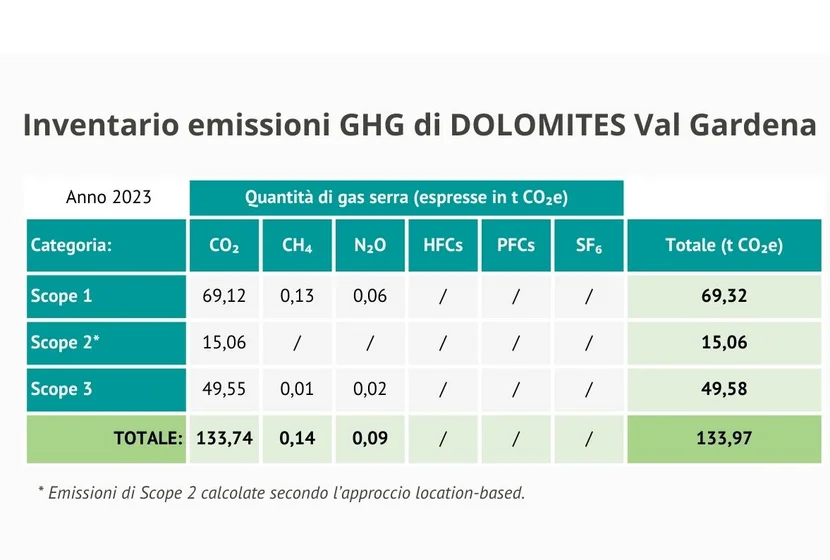
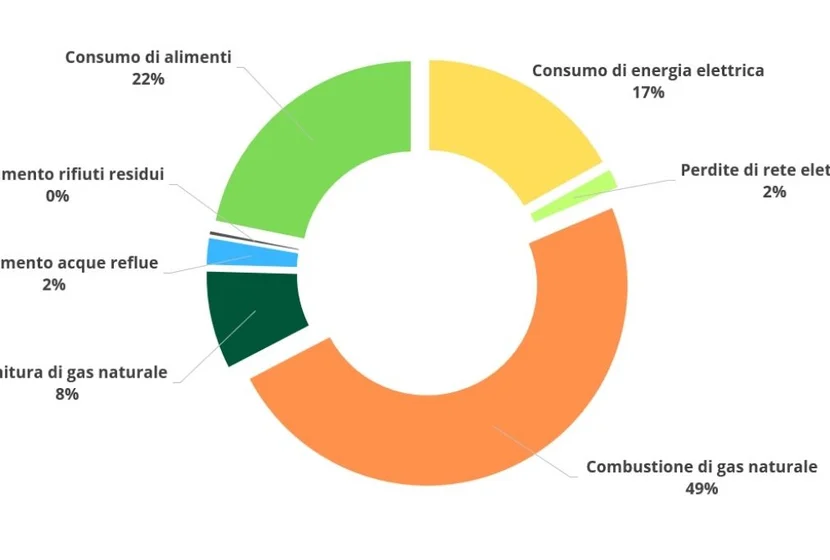
The carbon footprint allows to determine the environmental impacts that human activities have on the climate. The parameter represents the amount of greenhouse gas emissions caused by an organisation’s product, service or activity. This is a very important data that allows to estimate the emission performance at the company level and represents the reference value to plan the subsequent carbon management operations. These ones consist of reducing emissions where possible and offsetting the share of residual emissions. In addition, careful business management aimed at reducing the impact on climate is synonymous with environmental quality, an aspect that is increasingly gaining importance.
The undertaken GSTC certification process requires compliance with several environmental sustainability requirements. These ones include the adoption of a carbon management strategy that requires the monitoring and reduction of greenhouse gas emissions from the activities of our organization. In addition, it is required to implement a tracking system of the consumption of resources and energy. To meet these goals we have developed a monitoring project of resources and energy consumption for accommodation facilities and tourist offices in Val Gardena. The Carbon footprint of each participant in the initiative is calculated starting from the collected data and then the climate impact of the tourist destination is estimated. A simplified methodology seeks to combine precision and operational simplicity with the aim of improving awareness about CO2 emissions and the consumption of resources from tourism-related activities.
CO₂ compensation fund
All accommodation providers in Val Gardena pay a tourist tax to the local tourism association. A percentage of this amount is allocated to a CO₂ compensation fund. In 2024 and 2025, forest clean-up works were commissioned due to damage caused by bark beetles. Here you can find a video of these clean-up works.