100 % clean electricity without CO2 emissions
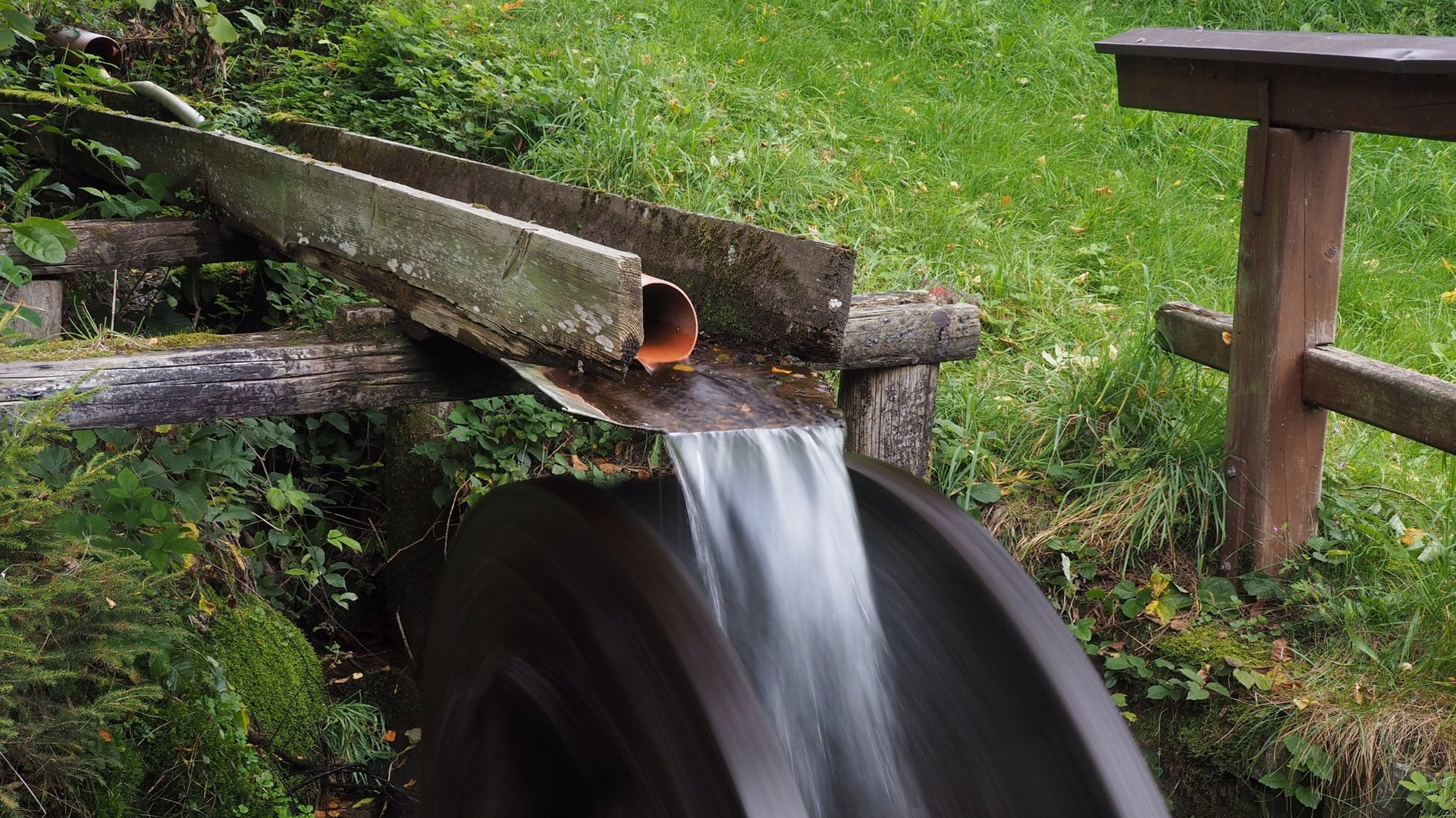
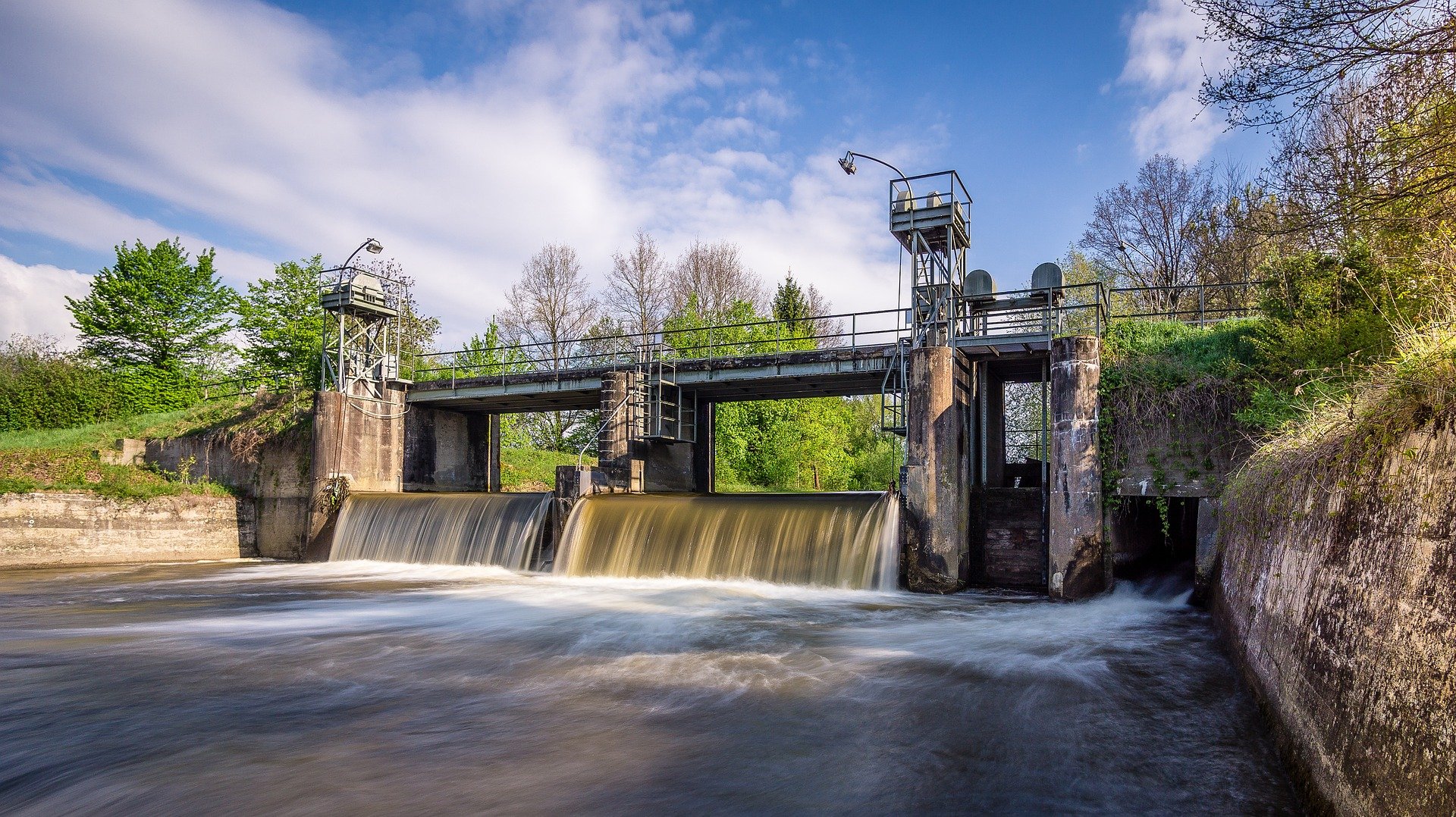
The “Energie-Südtirol 2050” strategic paper outlines South Tyrol’s aim to become the beating heart of renewable energy in the centre of Europe. The region’s energy demand in 2020 was fulfilled by 75% renewable energy – a figure which will grow to 90% by 2050. South Tyrol already produces more electricity than it consumes, and water plays a key role in this landscape. Considerable progress was made over the last few years, as in 2010 the province’s energy demand consisted of 40% renewable energy!

South Tyrol is no stranger to producing electricity – and it shows. It has more than 100 years’ experience, and it all started by using water power at the end of the 19th century. The first electric power stations, including the Ortisei and Selva di Val Gardena power plants, were built before the start of World War I. In 1938, the Ponte Gardena power plant started operations and produced electricity. Before the start of World War II, South Tyrolean power plants covered 12% of the Italian electricity demand!