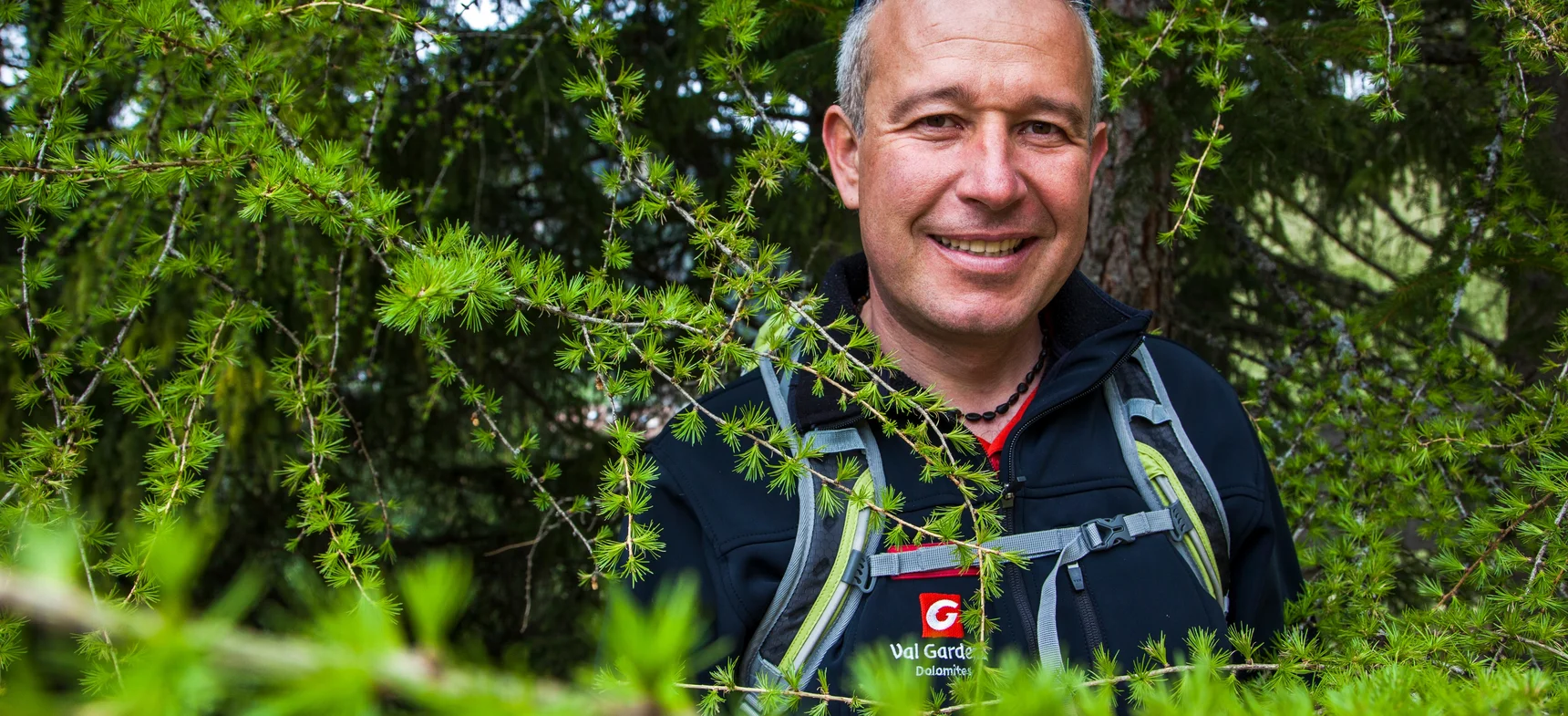
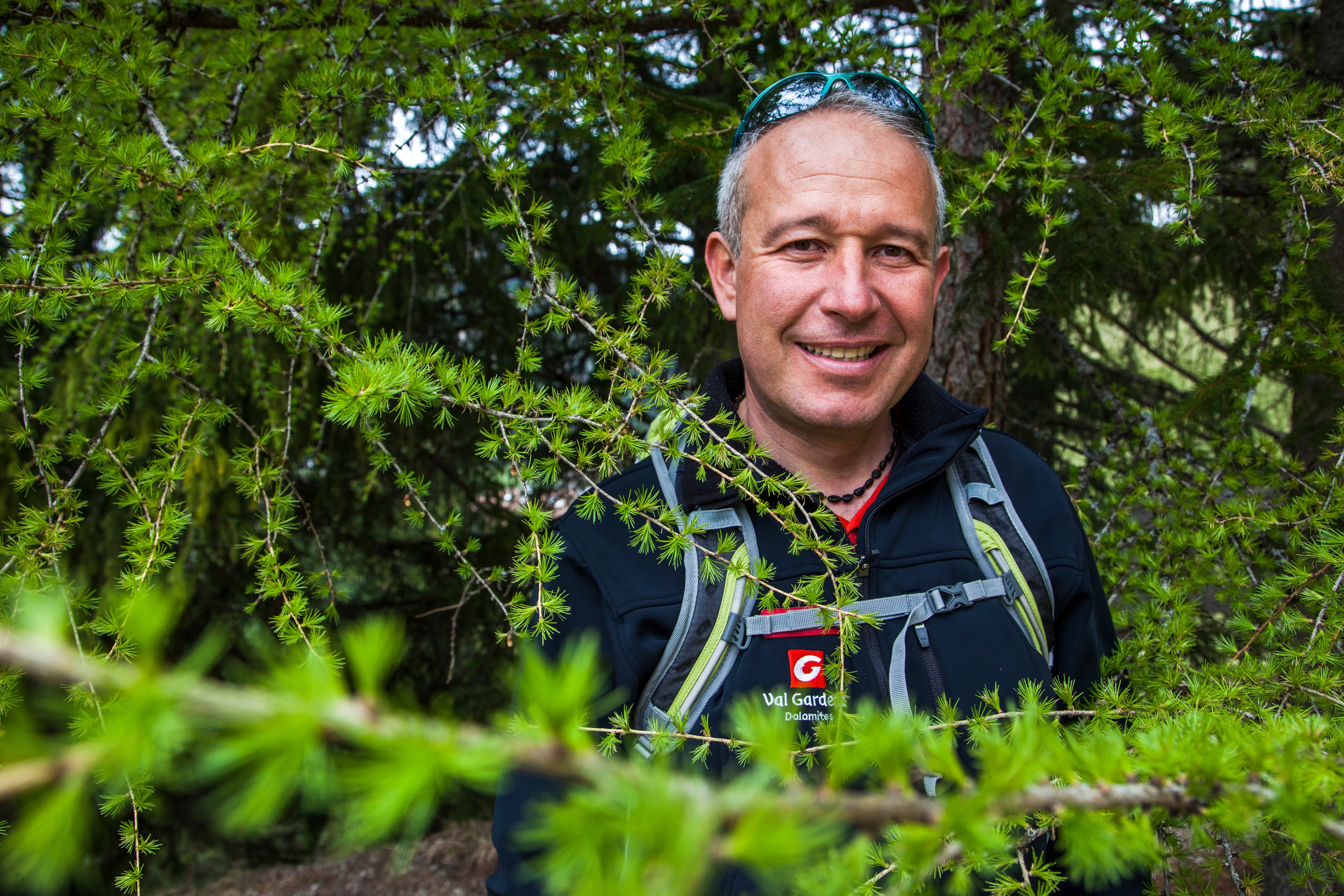
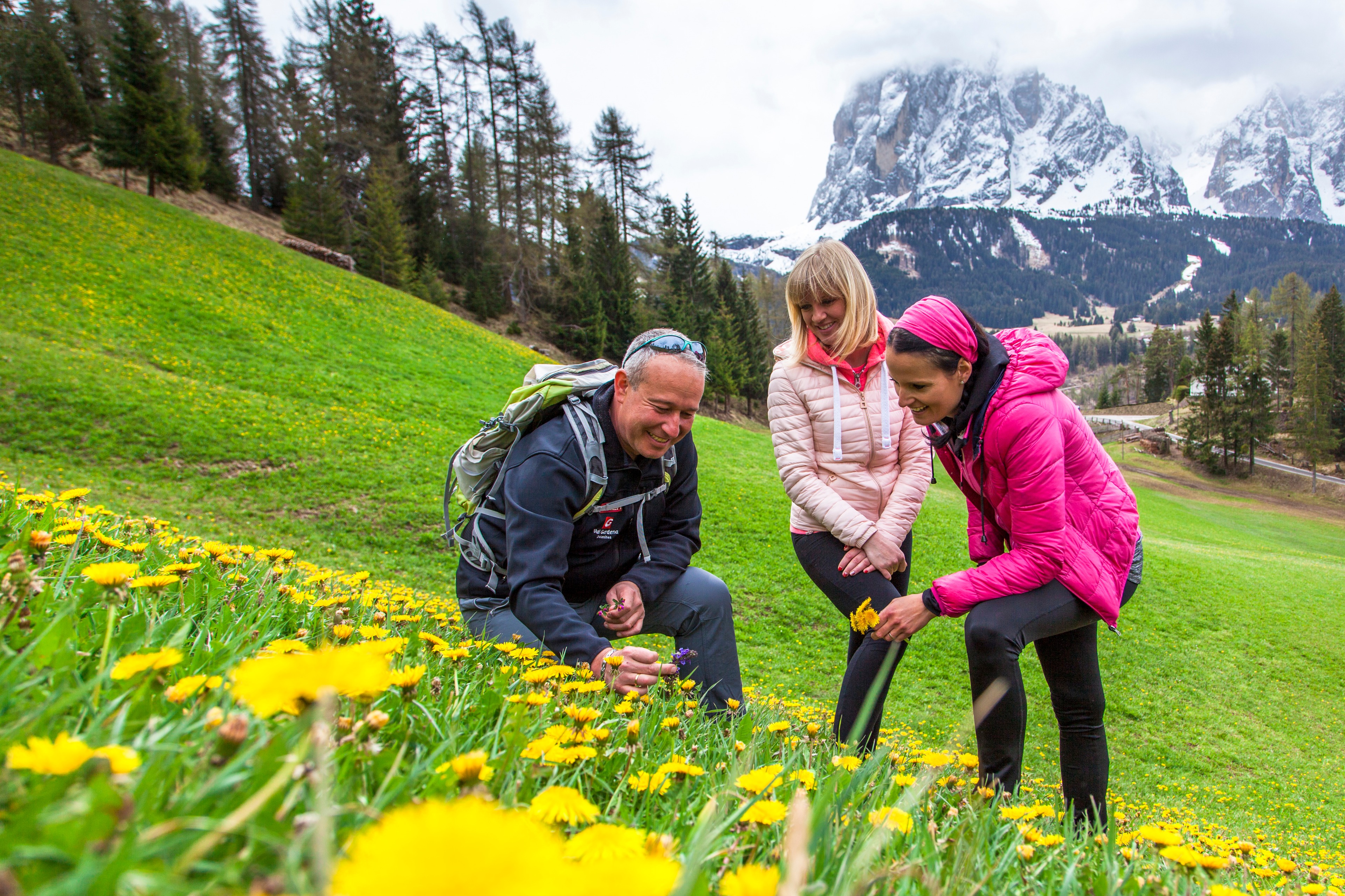
A man true to his word: Diego Deiana was born in 1971 in S. Cristina and his main goal is to ensure, ‘every excursion in Val Gardena and the Dolomites is an unforgettable experience.’ He’s a qualified excursion and hiking guide, knows the healing properties of herbs and plants like no other and, as if that weren’t enough, he’s also a talented gilder. His attention to detail is what makes him stand out in all of the above.
Robert Fischer: As a trained gilder, how did you make the leap from art to nature?
Diego Deiana: Nature has always interested me and I count myself lucky for being able to have made a proper job out of my passion. You acquire certain basic knowledge about nature when living in Val Gardena. Then again, I wanted to know even more about nature, which is what pushed me to pursue botanical training as well as spending my days gathering wild herbs and plants. Even the poisonous ones. You wouldn’t believe how interesting it is, especially as in medicine poisonous plants are often the most important ones.
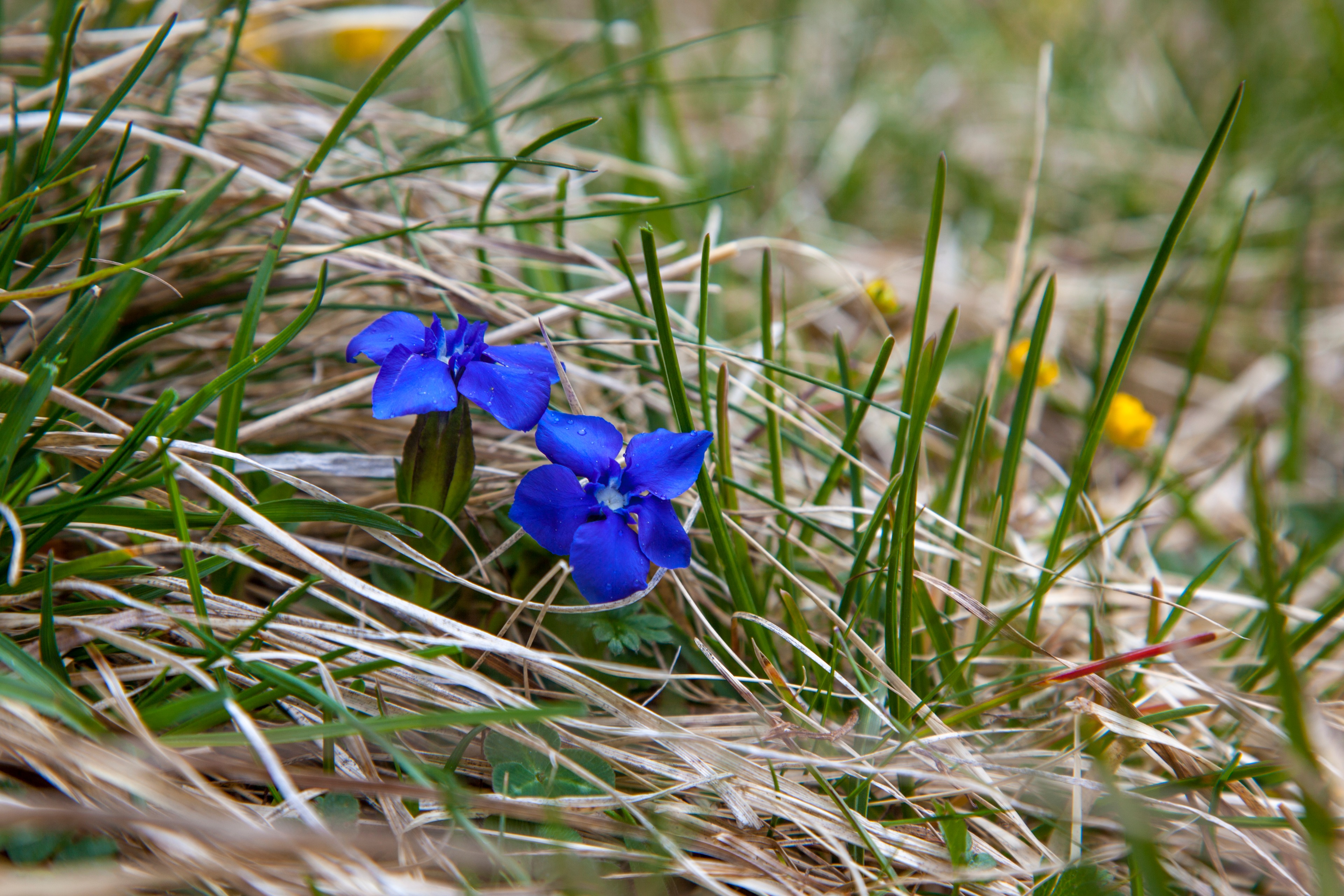
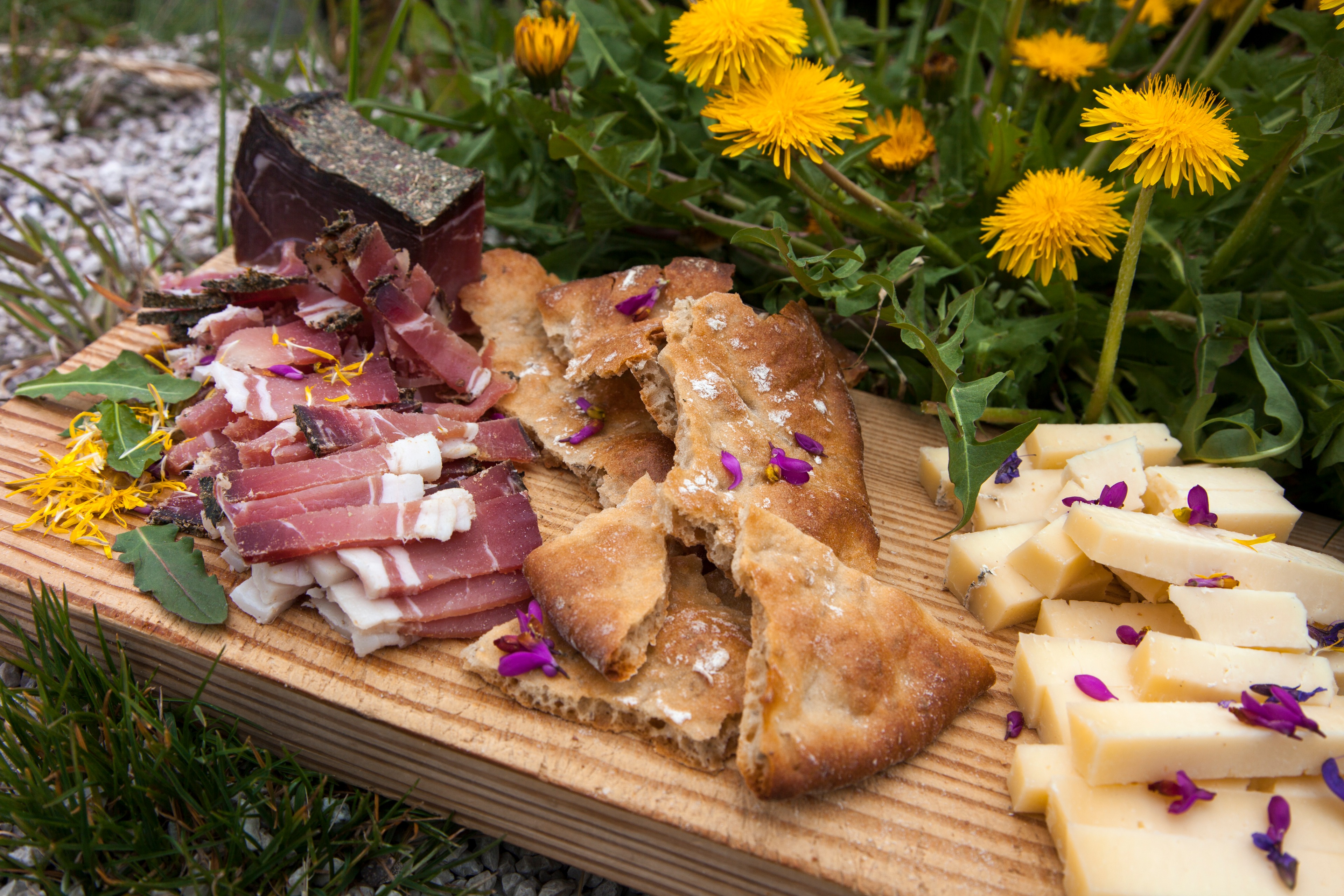
So you soon started implementing what you had learnt in real life?
Spot on. I find it fascinating that in the past people used herbs and plants for healing purposes as ‘traditional’ medicine as we know it today still wasn’t that advanced. Nature gives mankind exactly what its body needs: a plant with mucilages is perfect for treating colds, for example, while tanning agents is what you need when addressing a wound, etc.
You never stop learning
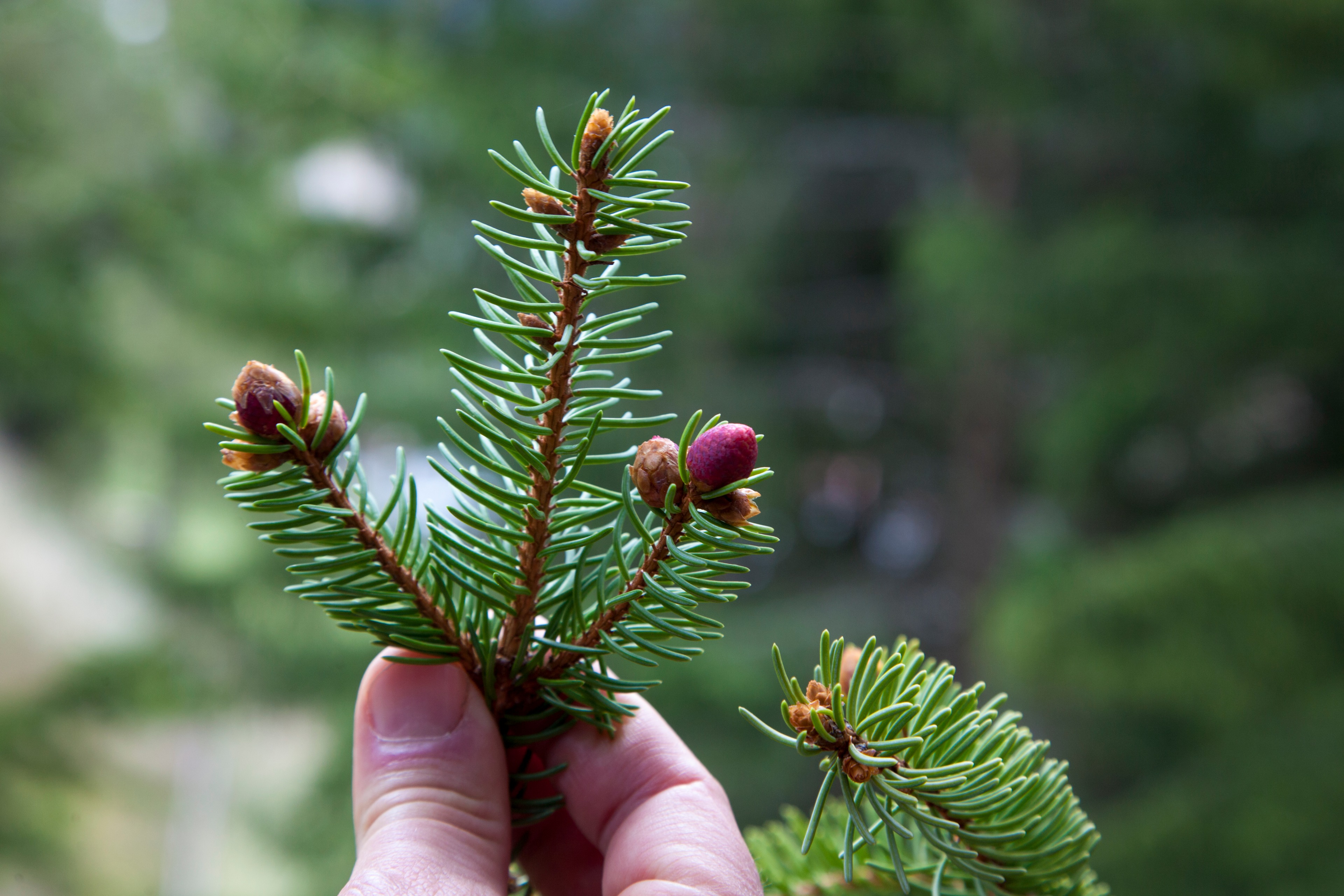
Exactly. For example, I’ve recently been attending many courses on natural sciences and pedagogy: there are many kids taking part in my nature trails and you need to teach them differently to adults. Ultimately, experiencing nature up close is an interesting experience for everyone. People also get to sample ‘fresh’ flavours when on my hikes. At first, a lot of people are scared off by the prospect and, it goes without saying, you must know how to recognise poisonous plants. But then everyone likes to take a go and taste a bit of dandelion or, during autumn, some berries, namely juniper berries plucked directly from their branch. We also pick up ribworts or needles from pines, wave them in front of our noses and catch their scent and fragrance. Most people end up wondering when they last caught a whiff of that similar scent. Take firs, for example. Vitamin C does have a smell, one similar to essential oils and cough sweets.
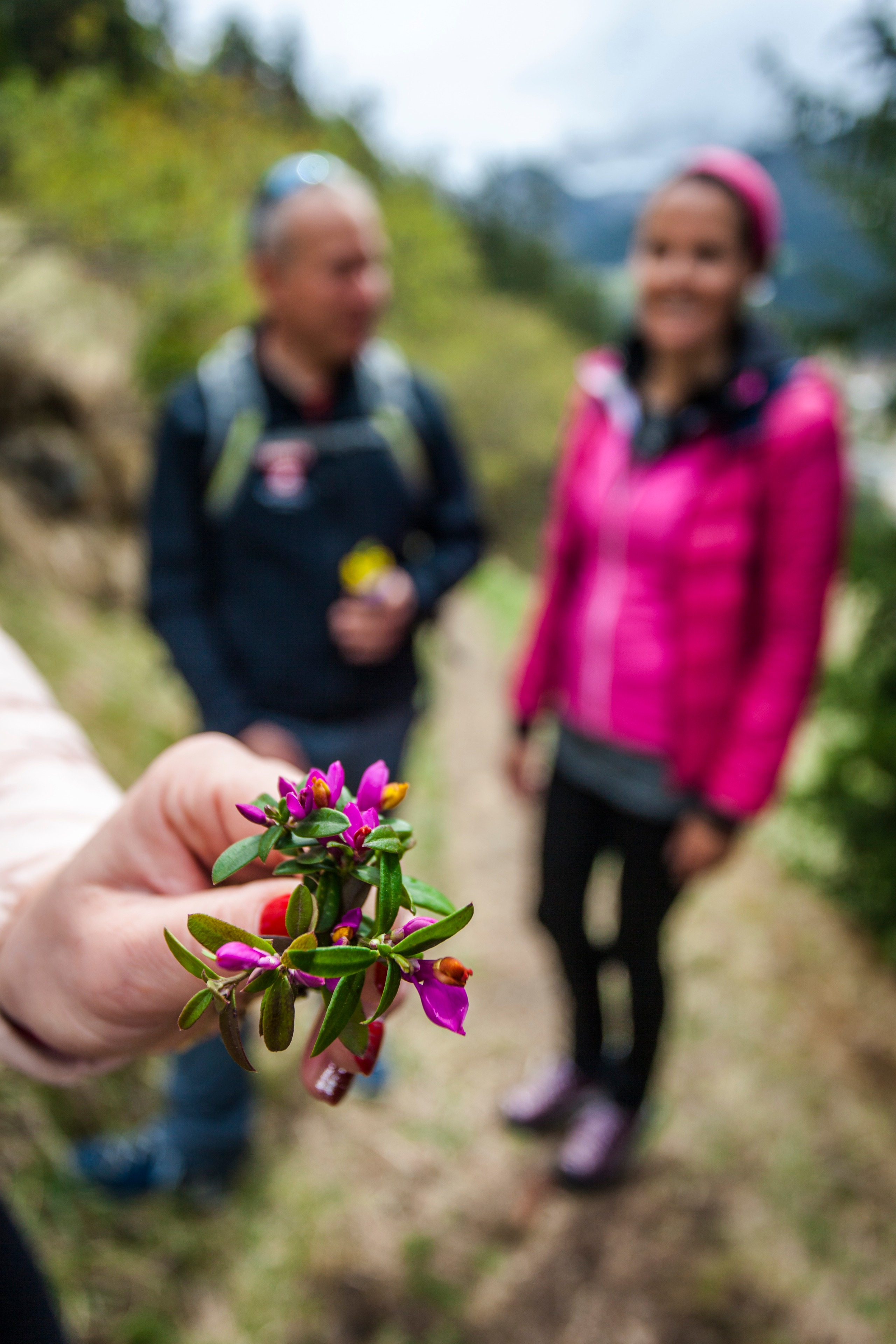
What’s the general stand regarding biodiversity here in the mountains?
There are a good 4,500 plant species in the Alps. There’s only about one tenth here, nevertheless, we still have quite a selection of specimens. What is really interesting is that plants grow in synch with nature: there are some that flourish at 1,400 m altitude and others from the same family only grow at 2,000 m altitude, and have adapted to that environment. Behind the Sassolungo, for example, we’ll find a Thymus citriodorus with an incredibly powerful fragrance.
Is there something that you find especially fascinating in nature besides healing plants and herbs?
I’m fascinated by the fact how specific plants grow in the same habitat each and every year. Last autumn, for example, I saw some thyme growing in a specific spot, and it grows in that exact same spot during spring. That proves how nature regenerates perfectly.
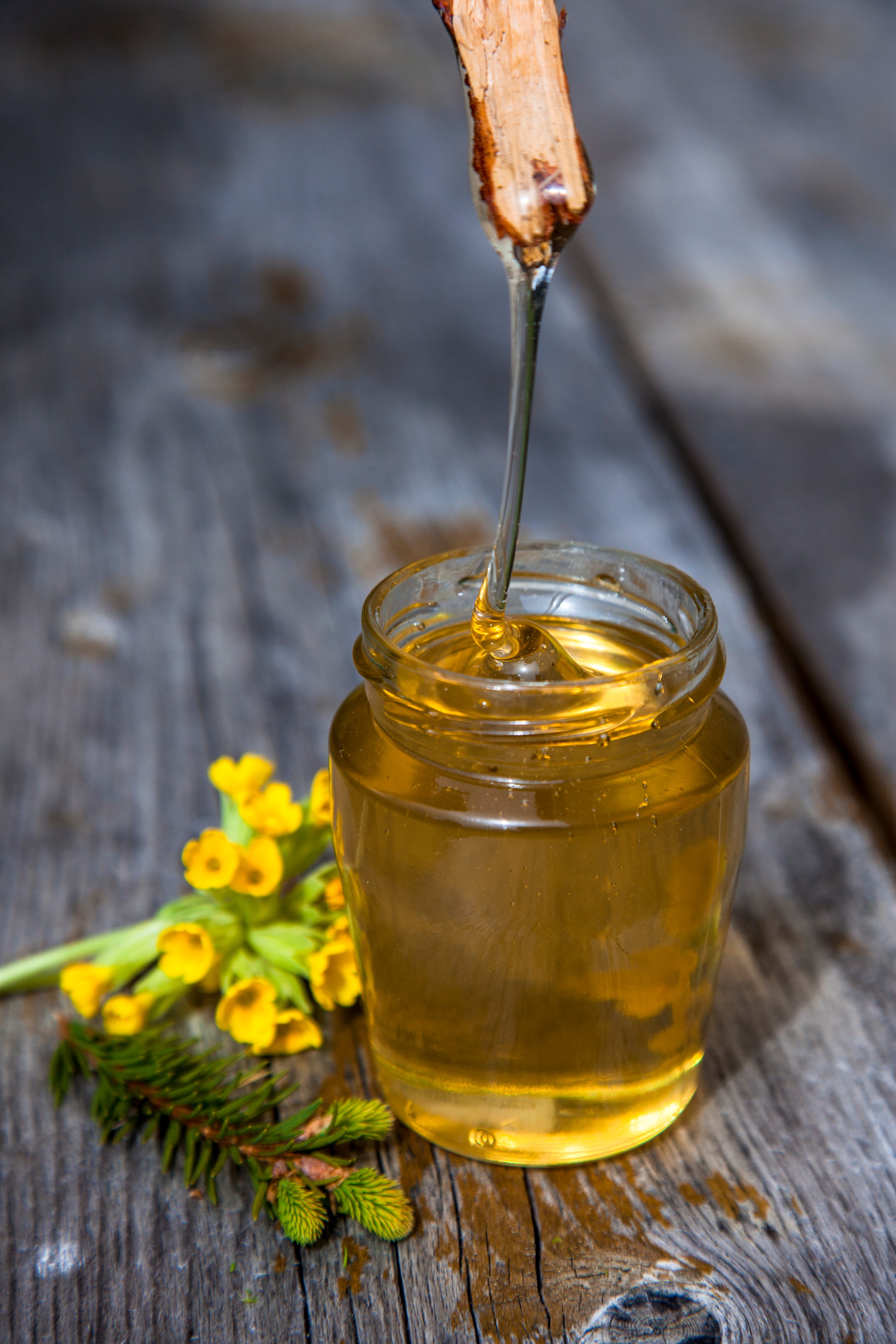
His tip: ‘Every spring, I take the young shoots of the spruce and make a spruce honey. You can eat it as a natural delicacy, but it also helps against a dry cough and strengthens the immune system thanks to its vitamin C.’
To be included on the UNESCO World Heritage List, an area must be very special. It must possess unique natural values, be intact and protected by good conservation measures.
If you want to experience exactly that, then come to Val Gardena.
More offers
No further offers available.