Legends of Sassolungo

It’s a rock – says the child.
It’s a masterpiece – says the architect.
It’s my mountain – says the local.
It’s my habitat – says the edelweiss.
It’s my place of work – says the mountain guide.
It’s a miracle – says the heart.
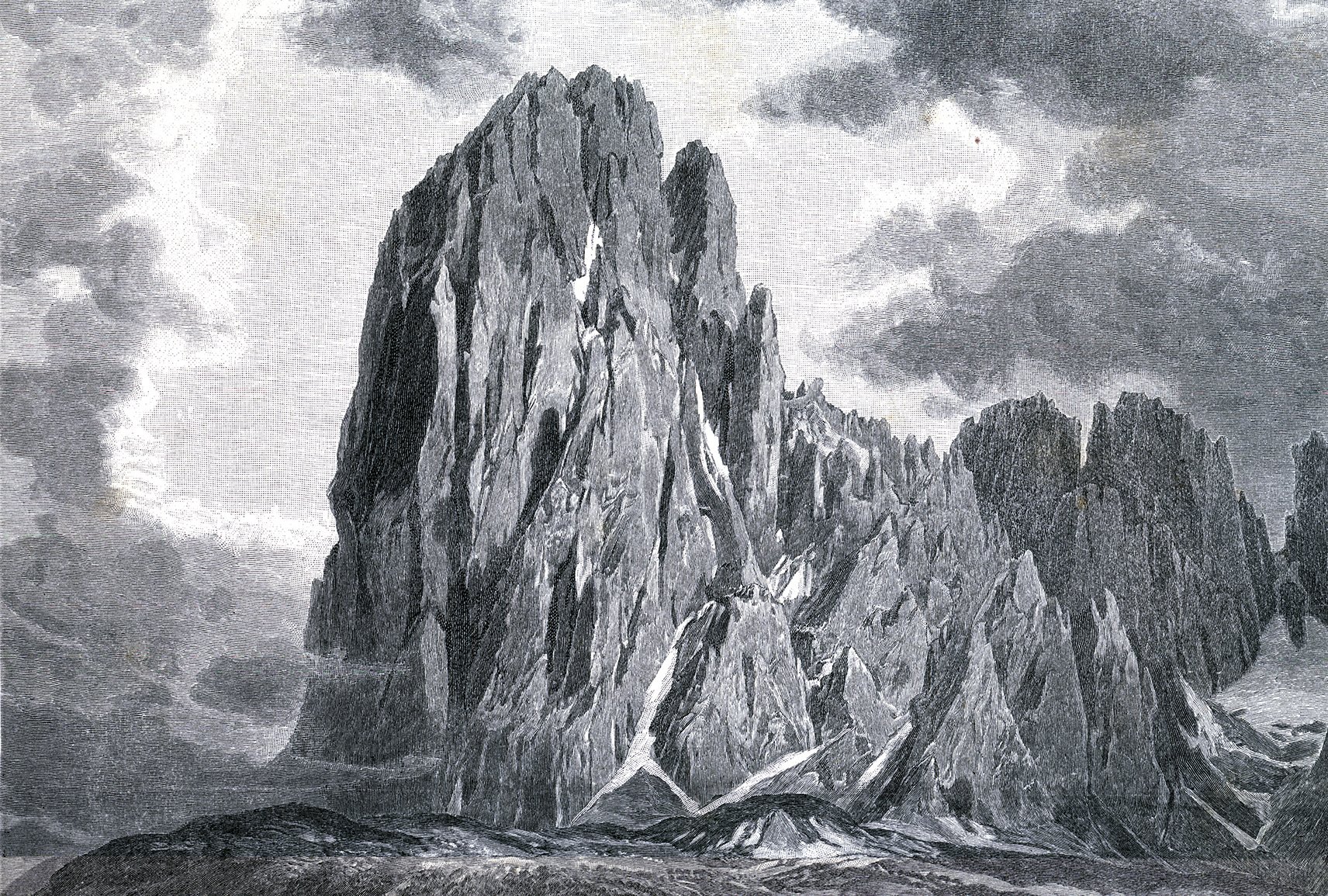
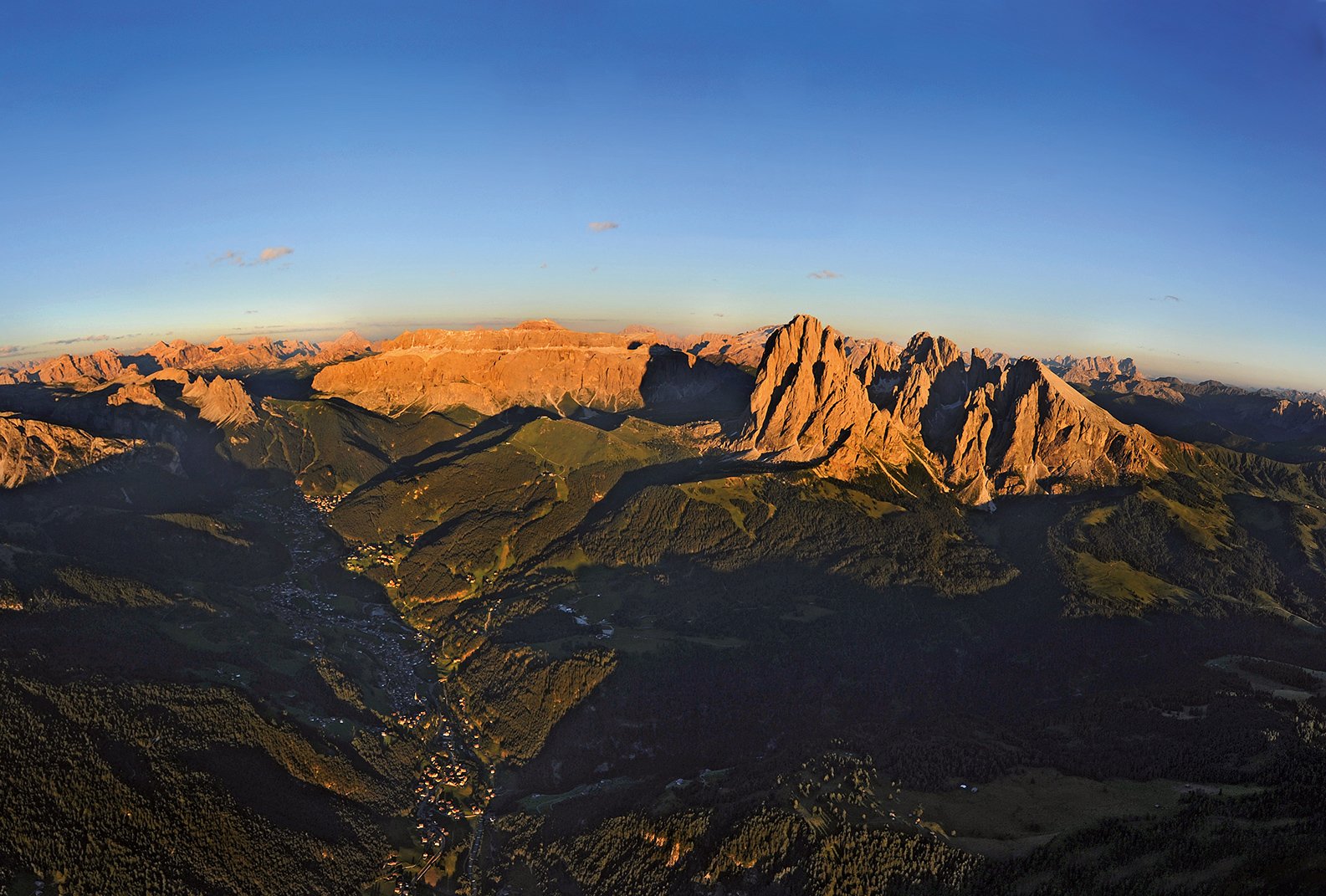
It’s the Sassolungo, and it means something very special for everyone. Yet for many people it represents peace and quiet, my-sticism, mountain history and memorable elegance. Val Garde-na’s local mountain is of unmistakable beauty and bursting with self-confidence. Nature and the love for nature step into a whole new dimension, surrounded by magic which will enchant and inspire guests and locals alike.

From a geographical point of view, the Sassolungo Group – the name given to the mountain massif in the western Dolomites where the eponymous summit is located – stretches between Val Gardena and the upper Val di Fassa. The borders are formed by the Sella massif to the east, the Fassa and Duron valleys to the south, the Alpe di Siusi to the west and Val Gardena to the north. The Sassolungo (3,181 m) and the Spallone del Sassolun-go make up about half of the massif. The name ‘Sassolungo’ literally means ‘long rock’ and has the same meaning in Ladin (Saslonch) and German (Langkofel).

The long, normal route leads through the southwest wall over the connecting ridge to the summit. Together with the Via Pichl on the northern edge, the Sassolungo ascent is the most popular climbing tour for all those who’ve always wanted to be on top of the world at least once. The ascent is long and complex – the elevation gain of over 1,000 m is remarkable. The Spallone del Sassolungo, on the other hand, can easily be reached by a gondola cable car from the Passo Sella. Hikers also love the Sassolungo Circuit and its high-altitude alpine traits, with a walking time of about 2.5 hours featuring breathtaking panoramas.

A fairy tale come true

Legends from the Sassolungo

The legends from the Dolomites wrap themselves up in truth and myth alike. They were mostly handed down orally and written down later. They try to explain the variety of forms of the land-scape as well as natural phenomena that are difficult to com-prehend in a clear way. They often make use of fantastic beings – mostly different spirits, sprites, and the like – who inhabit a world that is real but nevertheless exceeds the limitations of reality. Exciting stories that sound amazingly true based on real places with a fairy-tale twist.
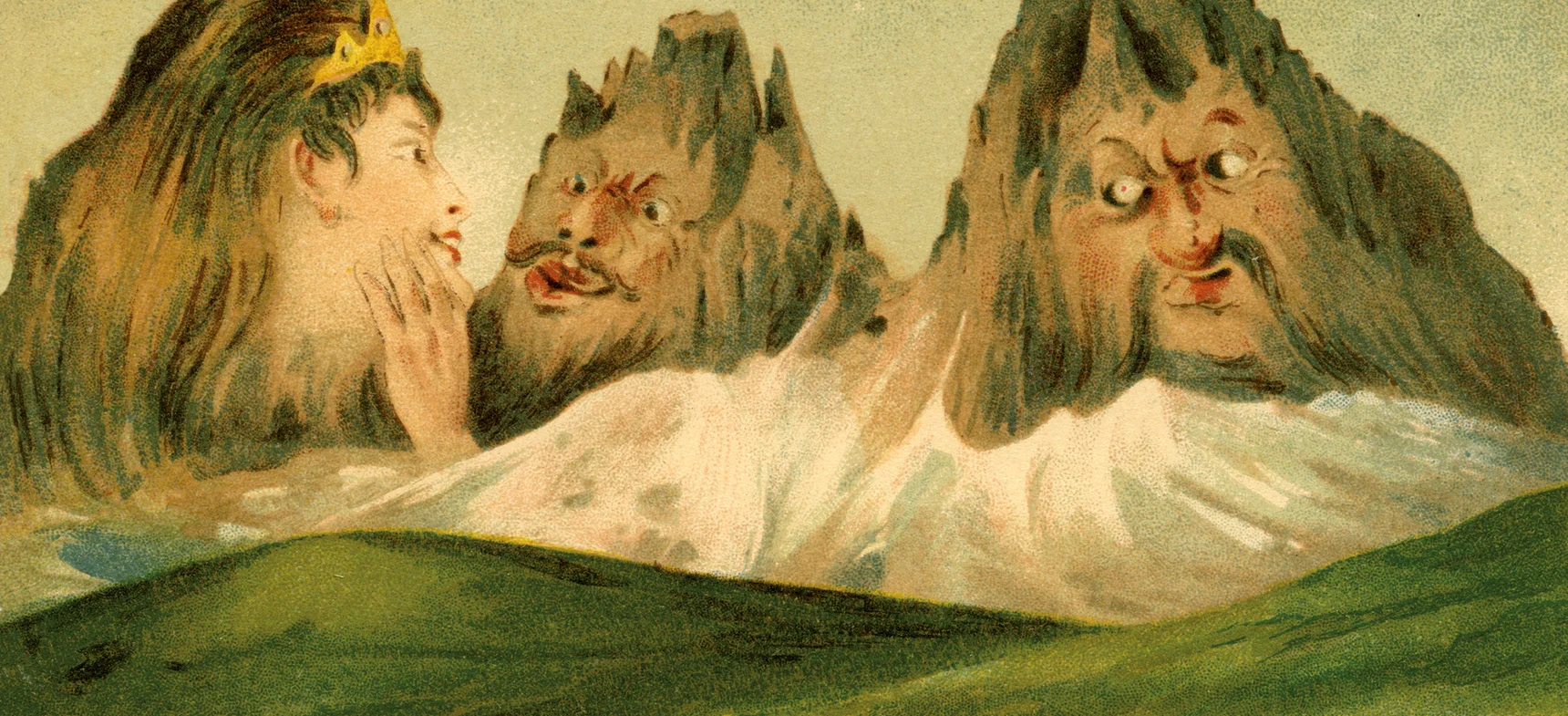
There are also enticing stories about the Sassolungo – a ‘King’ in the realm of the ‘Pale Mountains’.

The giant Langkofel

Once upon a time there was a giant called Sassolungo. It was not unusual for him to steal a chicken during his exten-sive journeys, which drove the farmers to anger despite their inherent good hearts. When he was confronted about his thefts, he denied everything and blamed the wild animals for the farmers’ chickens. But it wasn’t long before Sassolungo was caught red-handed. When this happened again and again, and the thief still claimed he wasn’t guilty, he was called to the High Council of the Giants, which immediately passed judgement. As if by magic, he sank instantly into the ground, where he still lives today. We remember the giant only because of his hand reaching towards the sky – those five fingers – and due to the name of one of the most wonderful mountain peaks of the Dolomites – the Sassolungo.

The Sassolungo’s nightingale

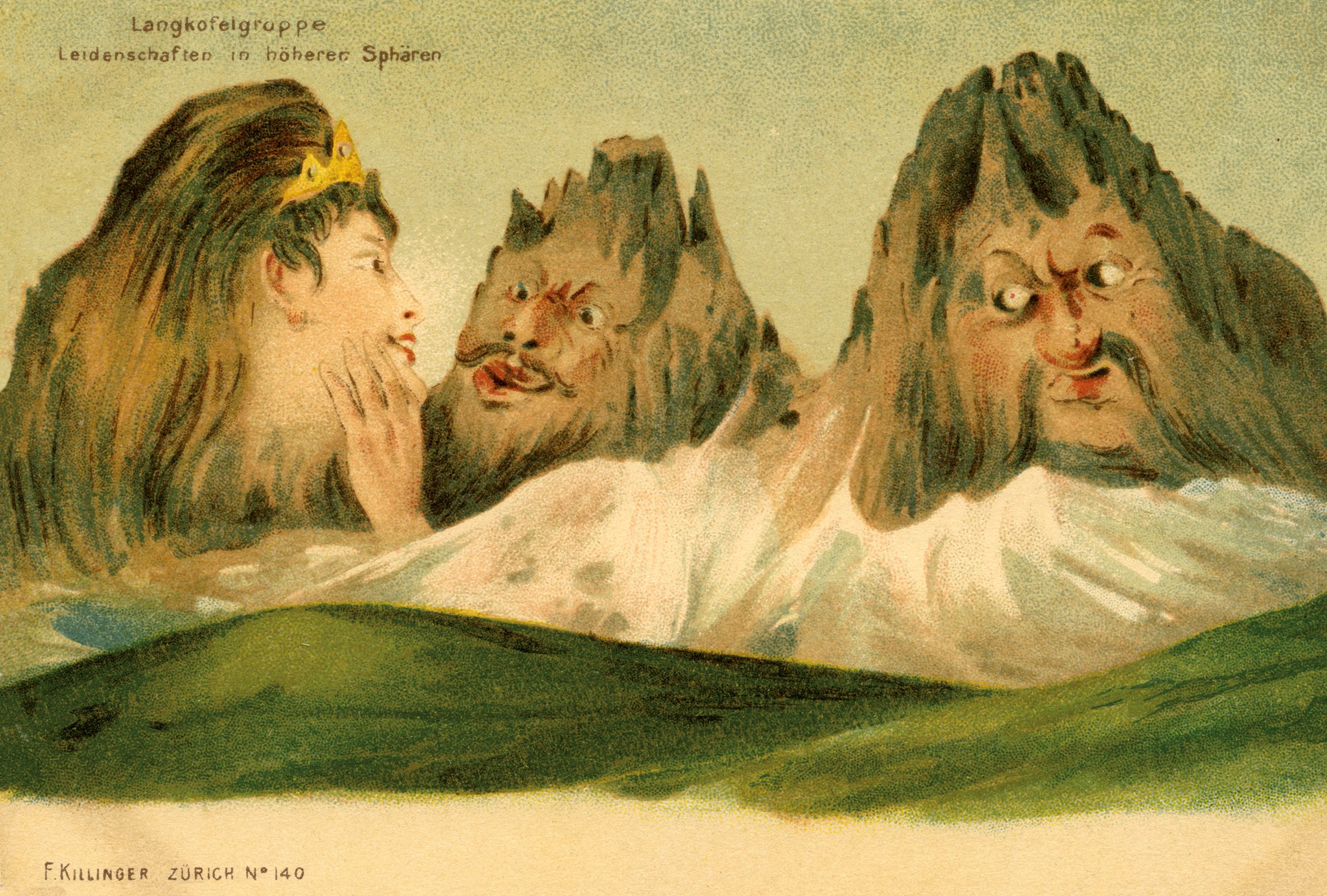
Many years ago, a magnificent castle stood at the foot of the Sassolungo, home to a princess. Since she had saved a nightingale from an evil hawk, the little bird – which could speak like a human – bestowed a gift upon her: the princess would be able to turn into a nightingale whenever she desi-red. Only death would stop the transformation from happe-ning ever again. Even before the princess could say anything, the nightingale had already disappeared. Immediately the princess tried her new ability: lo and behold, she transfor-med into the bird, and flew around delighting everyone with her sweet birdsong.

One day the princess learned from some ravens that a lonely young knight lived in a far-away land. The nightingale decided to look for him. She flew over Val Gardena and finally found a half-ruined castle and its lonely inhabitant. The princess watched him silently at first, but then began to sing. The knight listened to this wonderful song and became very fond of it. When the king’s daughter flew away in the shape of a nightingale, the knight was very sad. When she returned a few days later, he climbed up the tower and listened to her again.

A few days later the knight visited a Salvàn (a dwarf-like creature living in the forests) and told him about his pain. He always felt ill, only the song of a nightingale pleased him. The Salvàn explained to the knight that a woman had put him under her spell – he could not be helped. When the knight heard the nightingale sing again one day, he shouted: “The Salvàn is right: you are a woman”. Immediately the king’s daughter fell silent and flew away. From then on, she only flew to other areas. The knight waited in vain for the return of the nightingale, became in-credibly unhappy and withdrew into himself more and more. When the nightingale finally flew back to the castle, she found the knight lying dead in the courtyard.

She was aware of her complicity in his death and flew home. Once back, she tried to take on her human form again, as she had done every other time, but found she could not. The nightingale’s prophecy came back to her, and fate had come to pass: she would lose her ability to change if someone died. The king’s daughter had to live from that moment on as a nightingale among the birds in the woods. When you hear a nightingale singing beautifully and heartrendingly in the Val Gardena mountains, know that it is the enchanted king’s daughter.

Source: Karl Felix Wolff – Dolomitensagen,
Tyrolia Verlag, Innsbruck 1989

Your way to Val Gardena

Your holiday destination in the heart of the Dolomites – how to get there.