How 12 men wrote the history of the Langkofel

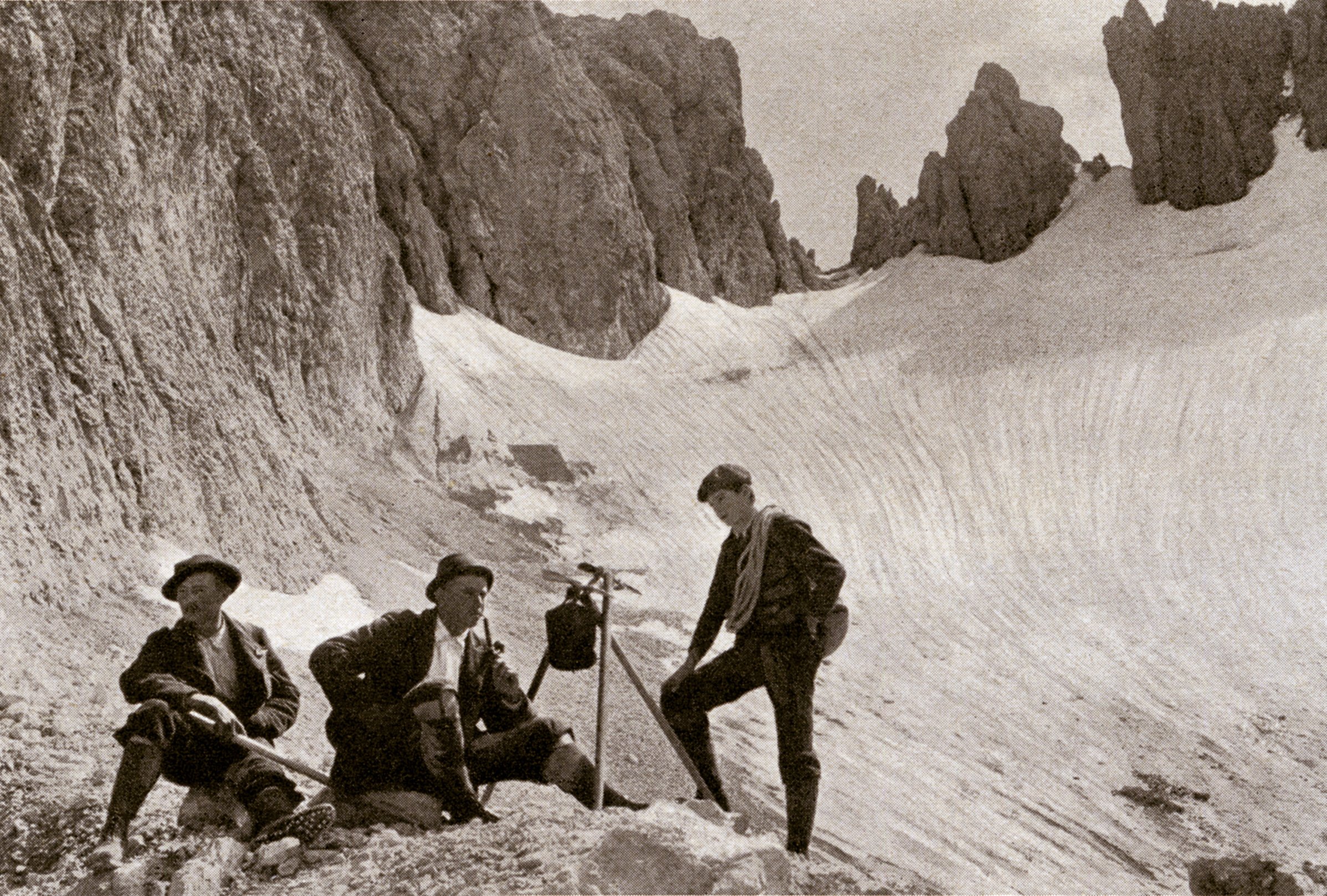
  • Paul Grohmann (1838 – 1908) conquered the Sassolungo together with Franz Innerkofler and Peter Salcher in the summer of 1869
  • Eduard Pichl (1872 – 1955) climbed the northern edge of the Sassolungo together with Rolf Waizer in 1918. Today it is one of the greatest classics of the Dolomites.
  • Emilio Comici (1901 – 1940) came from Trieste and opened his last new route on the Salame del Sassolungo together with Severino Casara in 1940.
  • Oscar Schuster (1873 – 1917) gave his name to the famous via ferrata on the east wall of the Sassopiatto.
  • Angelo Dibona (1879 – 1956) was one of the greatest mountaineers of the 20th century. With Luigi Rizzi and the Mayer brothers he climbed the north face of the Sassolungo in 1911.
  • Giovanni Demetz (1903 – 1994) ascended the Sassolungo over 500 times without the use of artificial aids.
  • Dieter Hasse (1933 – 1971) ascended the southern pillar of the Torre Innerkofler together with Sepp Schrott in 1959.
  • Reinhold Messner (born 1944) achieved the first solo ascent of the ‘Soldà Route’ and another first ascent on the north face of the Sassolungo together with Sepp Mayerl (1969).
  • Gustav Jahn (1879 – 1919) was the first alpinist to conquer the classic Pollice del Sassolungo.
  • Gino Soldà (1907 – 1989), together with Franco Bertoldi, achieved four major first ascents on the Sassolungo.
  • Ludwig Moroder (1937 – 1971) together with Vinzenz Malsiner created the ‘Direttissima’ to reach the Dente in 1960.
  • Karl Unterkircher (1970 – 2008) mastered some difficult first ascents on the Sassolungo.

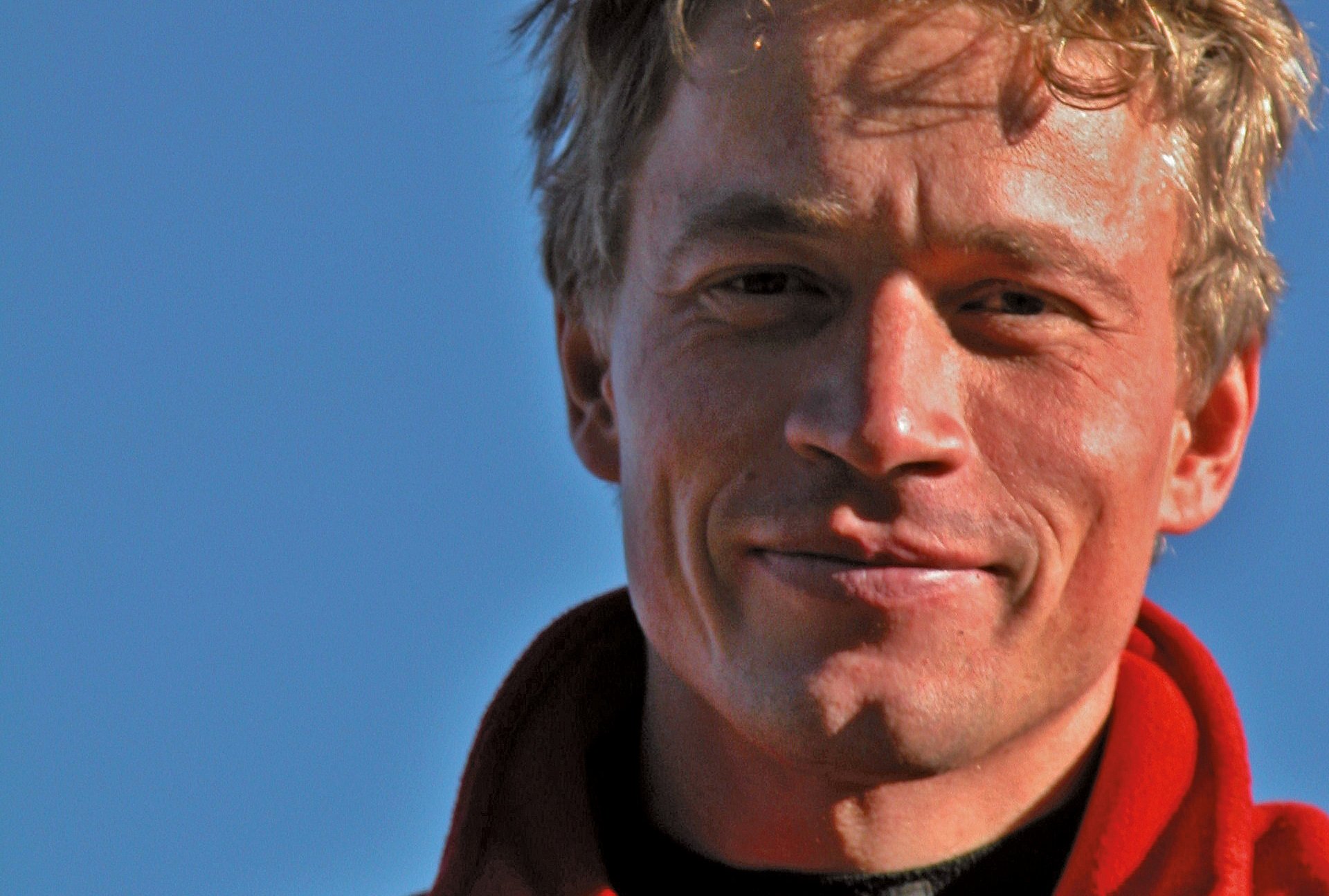
Ivo Rabanser

Ivo Rabanser – one of the most well-known mountaineers in the Dolomites – was born in 1970 in Val Gardena. At the tender age of 12 he overlooked the valley for the first time atop the Sassolungo summit. He trained at the local art school to then ply the trade of wood carver for many a year, before he turned his passion into a profession in 2001. Since then, he’s been working as a mountain guide. He believes he’s privileged, as he gets to experience countless happy moments in his job that warm the cockles of his mountaineer heart.

  • How many times have you been on the Sassolungo, how many different routes have you been on, and how many of them have you ‘opened’ yourself?
    I have not yet counted my ascents of the Sassolungo, but I think there are a few of them. I was particularly interested in the climbs on the northern side, which are among the longest climbs in the Dolomites. I also tried to open my own routes on that very same side, which is more than a thousand metres tall, and created several dozen routes over the course of the last 30 years.
  • What fascinates you about Val Gardena’s mountain?
    I can see the Sassolungo with its sky-high northern wall from my living room. It is also the highest peak in Val Gardena and the most impressive rocky formation. The extraordinarily exciting alpine history of the Sassolungo also feeds into its aesthetic side. These traits fascinate me to this very day.
  • You have written several books, including “Sassolungo. Dolomiti fra Gardena e Fassa” from the series “Guida dei Monti d’Italia” (published by CAI and Touring Club Italiano, 2001) and “Sassolungo. Le imprese e gli alpinisti” (published by Zanichelli, 2003). What prompted you to engage so intensively with the Sassolungo?
    There are purely practical reasons: the mountain is right here on my doorstep; on the other hand, there is the attraction of exploring and studying a mountain massif in depth. In addition to my interest in climbing, which inspired me since I was young enough to hold a rock in my hand, I was also at my hap-piest when writing and thus attempt to record historical facts. One compensates the other in an excellent way!
  • You have now ascended the Sassolungo countless times. What do you feel when you stand at the summit? Can you ever get used to the overwhelming feeling of being at the top?
    The summit only marks the end of the ascent. A long and ela-borate descent steeped in a wildly craggy wilderness awaits you. The memory of the summit atmosphere, which I once experienced with my eleven-year-old son, is still particularly vivid: after we had reached the highest point in the evening, we enjoyed the sunset and spent the night in the bivouac shelter.
  • What are the characteristics of the Sassolungo and are there any parallels to your personal character?
    That is a good question: the characteristics of the Sassolungo can be summed up in ‘sustainable generosity’ and self-con-fident superiority. Can we also demand this from a human character?

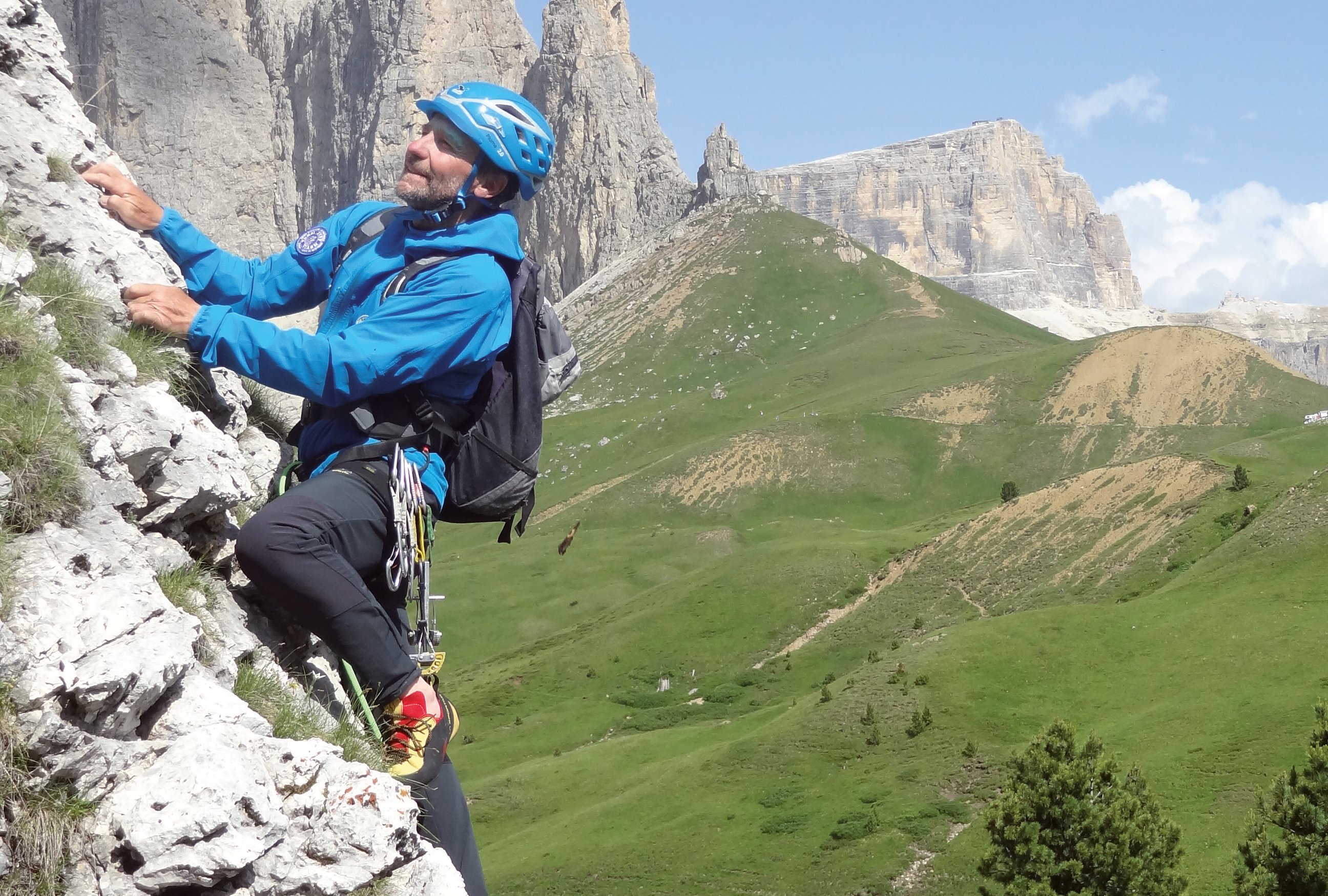
Mauro Bernardi

Mauro Bernardi was born in 1957 in Selva Val Gardena and began his sporting career as a ski racer for the Italian national team, where he achieved considerable success. Since his reti-rement in 1981, he has worked as a ski instructor and mountain guide, and is one of the most famous alpinists in the Dolomites, climbs numerous mountains and opens up new climbing routes. He’s fascinated by a life lived in harmony with nature – our spirit is liberated through the world of mountains, rocks and climbing.

  • How would you describe the Sassolungo in three words?
    Unique – majestic – incomparable.
  • How often have you been to the Sassolungo and how many routes have you opened yourself?
    I do not like counting how many times I have stood at the sum-mit of the Sassolungo. Every climb is great for me, every time it’s a pleasure. I opened 25 new routes and I also skied from the main summit over two different gullies – both of which were ‘first evers’.
  • Why don’t you ever get tired of climbing the Sassolungo?
    Because of the spectacular landscape and the breathtaking panorama.
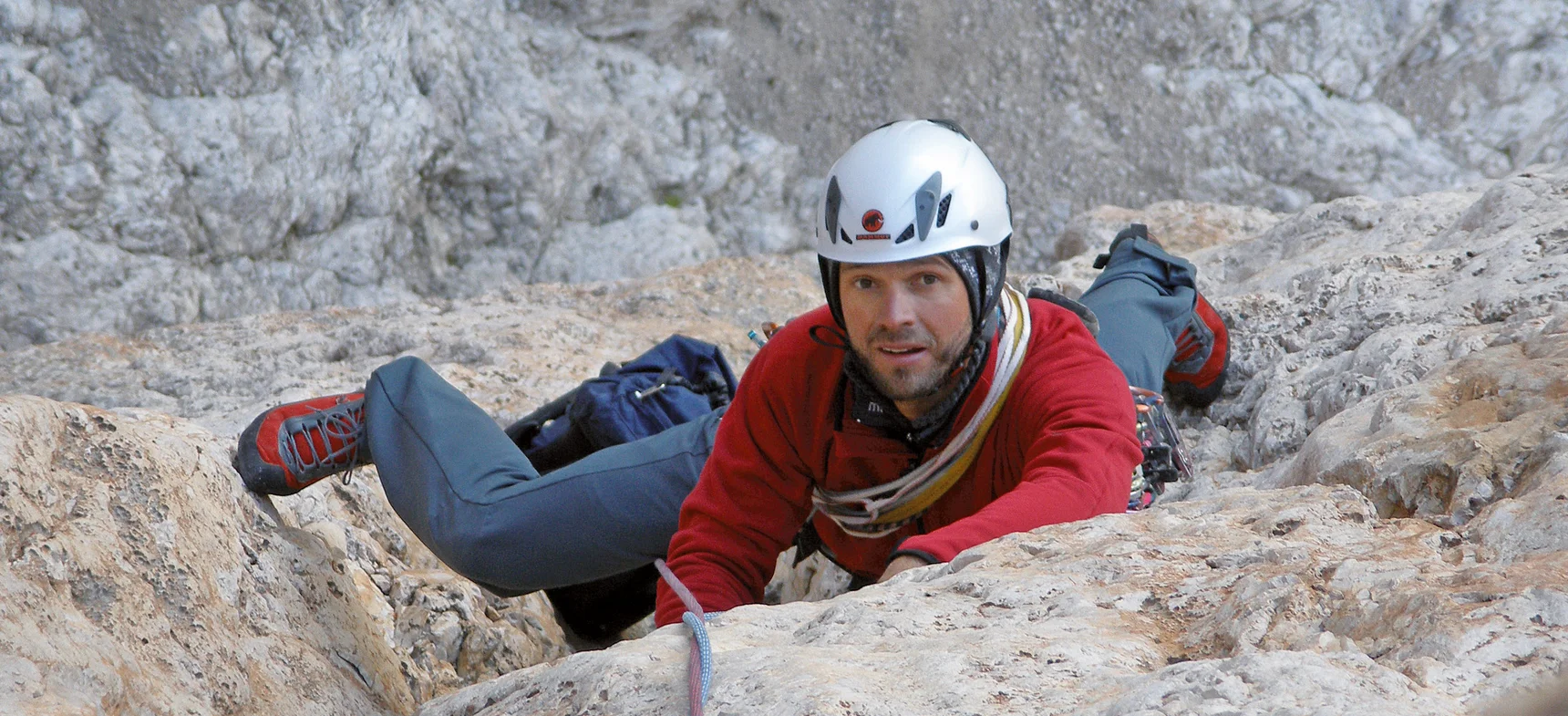
  • You became a mountain guide because you’re passionate about it, and describe the Dolomites as the most beautiful mountains in the world. Why?
    Even as a child I was fascinated by the Dolomites, perhaps because I was curious and wanted to understand them in their entirety. Mountaineering and alpinism are also wonderful sports for me in many ways. I call the Dolomites the most beautiful mountains in the world because I also know all the other mountain massifs. The recognition by UNESCO should have taken place much earlier.
  • You have published five Dolomite climbing guides. Do you consider yourself a writing mountaineer or a mountaineering writer?
    I consider myself a mountain guide and mountaineer. By publishing the Dolomite climbing guides I wanted to make my knowledge available to all those interested. Since I had no other choice, it just happened that I also became a ‘writer’.


Your way to Val Gardena

Your holiday destination in the heart of the Dolomites – how to get there.